Leading the Way
Insights from the Hello Future × Ulalo Training in Mzuzu

Ulalo partners with Hello Future to empower learners and educators for the future
For many years in Malawi, classrooms have often been shaped by rigid systems that left little room for learners to question, explore, or fully express themselves. In many cases, learning was centered on instruction rather than interaction, limiting students’ ability to think critically or connect knowledge to real-life situations.
That reality is now beginning to shift at Bwengu and Enukweni Community Day Secondary Schools, the two pilot institutions selected to implement the Hello Future programme. With the introduction of digital learning and a renewed focus on student-centered approaches, these schools are stepping into a new era, where curiosity, creativity, and practical engagement are at the heart of education.
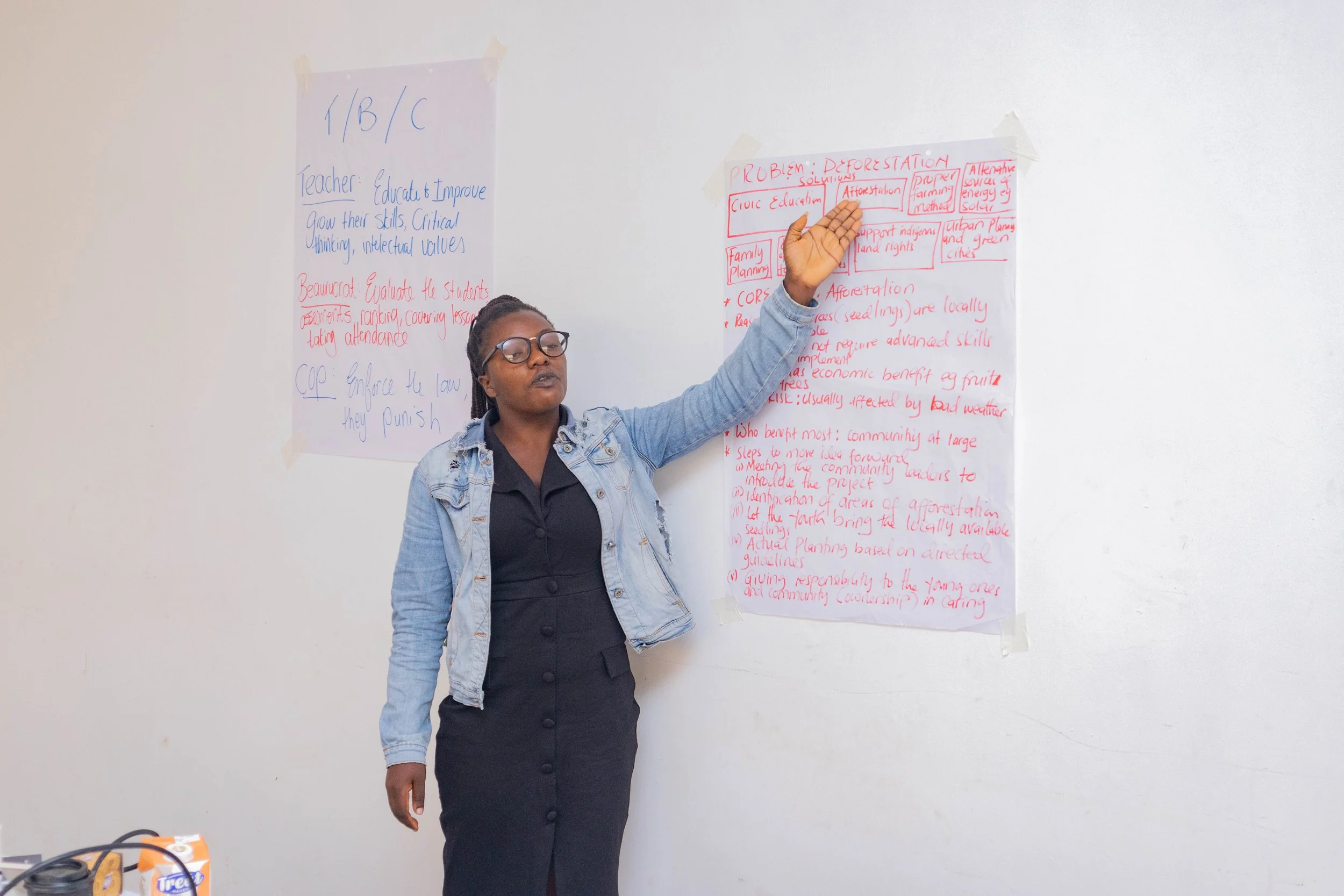
From 13th to 15th March, Hello Future, in partnership with Ulalo, hosted a transformative Train the Trainer session in Mzuzu. The training brought together educators from the two pilot schools bringing forth one central message: effective leadership is key to creating safe, engaging, and impactful learning environments. As teachers prepare to deliver the Hello Future classes, they are also being equipped to rethink how they lead in the classroom moving away from control and toward connection.
Programs Manager for Ulalo, Yewo Msiska, emphasized that this partnership marks a step forward in promoting practical, student-centred learning that strengthens critical thinking and improves overall learning outcomes.
“Our mission is to support the delivery of student-centred learning that promotes curiosity, critical thinking, and meaningful engagement for improved outcomes.” Noted Msiska.

Exploring effective leadership strategies for the success of a program
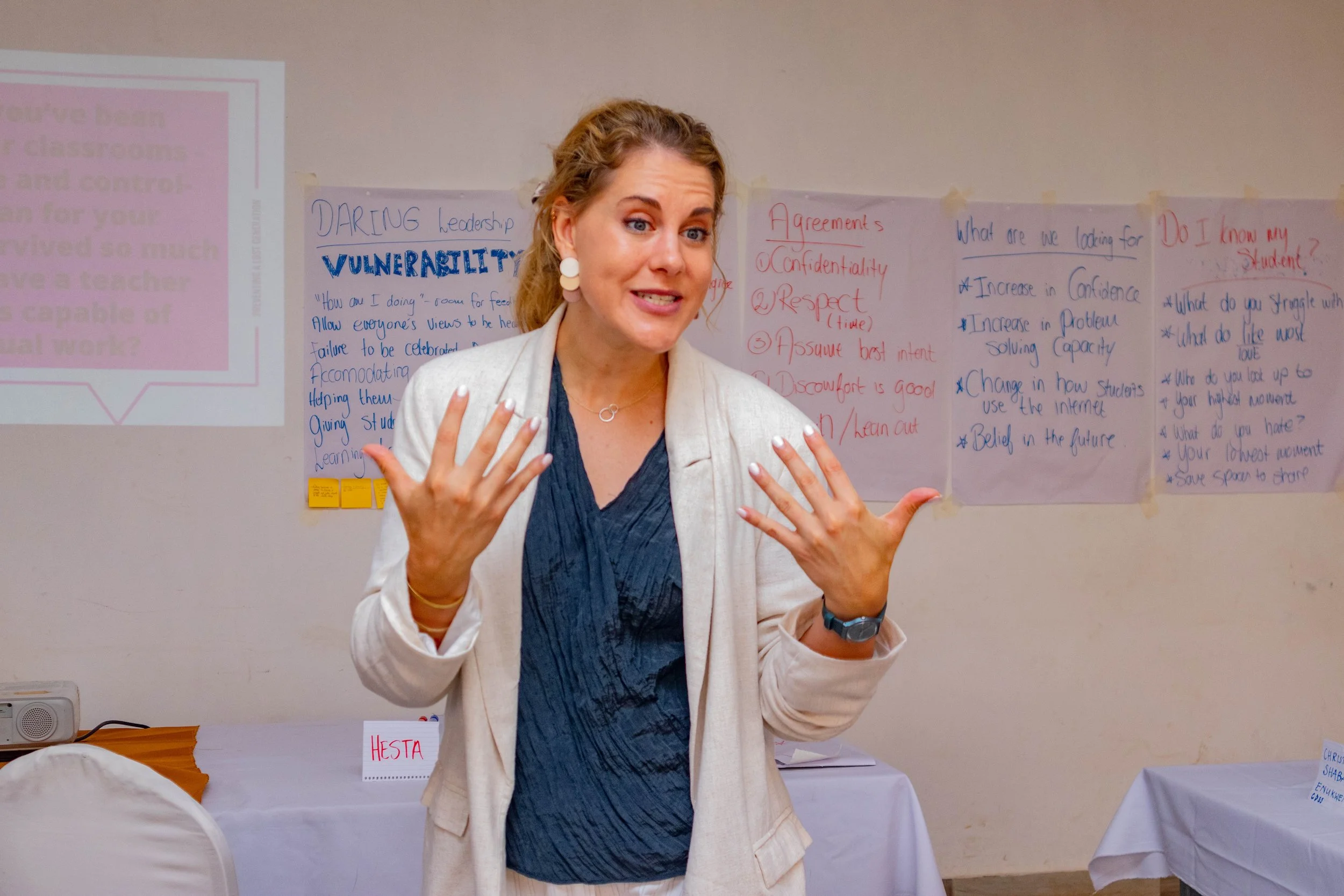
At the centre of the training was a powerful contrast between two leadership styles: daring leadership and armored leadership. Daring leadership encourages openness, vulnerability, and growth. Teachers were challenged to create spaces where students feel seen and heard, where every voice matters, and where failure is not viewed as defeat but as part of the learning journey. This approach positions the teacher not just as an instructor, but as a guide; someone who supports learners in reaching their goals while also recognise that learning is a shared process.
In contrast, armoured leadership was described as restrictive and fear-based. It is characterized by rigid authority, suppression of opposing views, and reliance on punishment to maintain control. While this approach may enforce discipline, it often limits student expression and discourages meaningful engagement, ultimately hindering deeper learning.
A key takeaway from the training was the importance of truly knowing one’s students beyond the classroom. Educators were encouraged to understand their learners on a personal level, their challenges, passions, inspirations, and experiences. By creating safe spaces where students can share both their highs and lows, teachers can build trust and foster stronger, more meaningful learning relationships.
Speaking during the training, Director of Global Programs and Partnerships at Hello Future, Hester van den Heever emphasized the importance of courage and intentional leadership in education.
“As teachers we need to normalize vulnerability of ourselves and the learners by allowing learners also have autonomy and allow feedback from both ends.” She said.
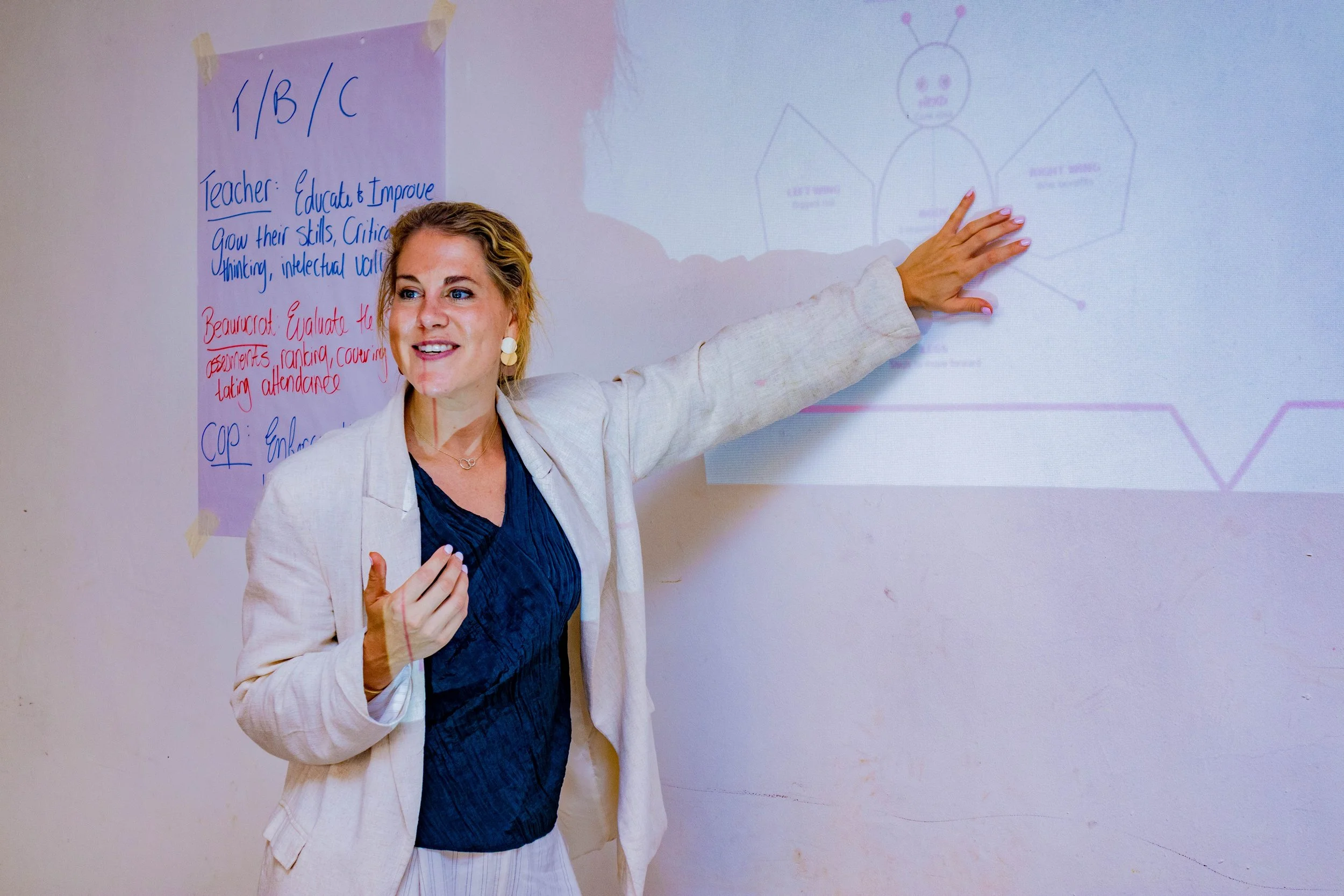
Hester encourages teachers to be daring leaders
She noted that such environments are essential for unlocking critical thinking and nurturing confident, capable learners.
The excitement around the programme is already evident among participating teachers. One of the pilot teachers from Enukweni CDSS, Elifas Mulenga, shared enthusiasm about the opportunity, highlighting the impact the initiative will have on learners.
“I am excited to be part of the pilot teachers trying this program in order to see my students digitally exposed to new methods of learning and the impact it will have on them.” Said Mulenga.
This initiative highlights a broader shift in education; one that recognizes that leadership is not about control, but about connection. By embracing more inclusive and empowering teaching practices, educators are not only improving learning outcomes but also shaping students who are confident, curious, and ready to lead.
As Malawi continues to transform its education system, initiatives like this play a crucial role in equipping teachers with the mindset and skills needed to make lasting impact. Through partnerships like Hello Future and Ulalo, the foundation is being laid for classrooms that do more than teach, they inspire, empower, and prepare learners for the future.