Cultivating Hope: How Herbal Gardens Are Transforming Rural Livelihoods in Mzimba North
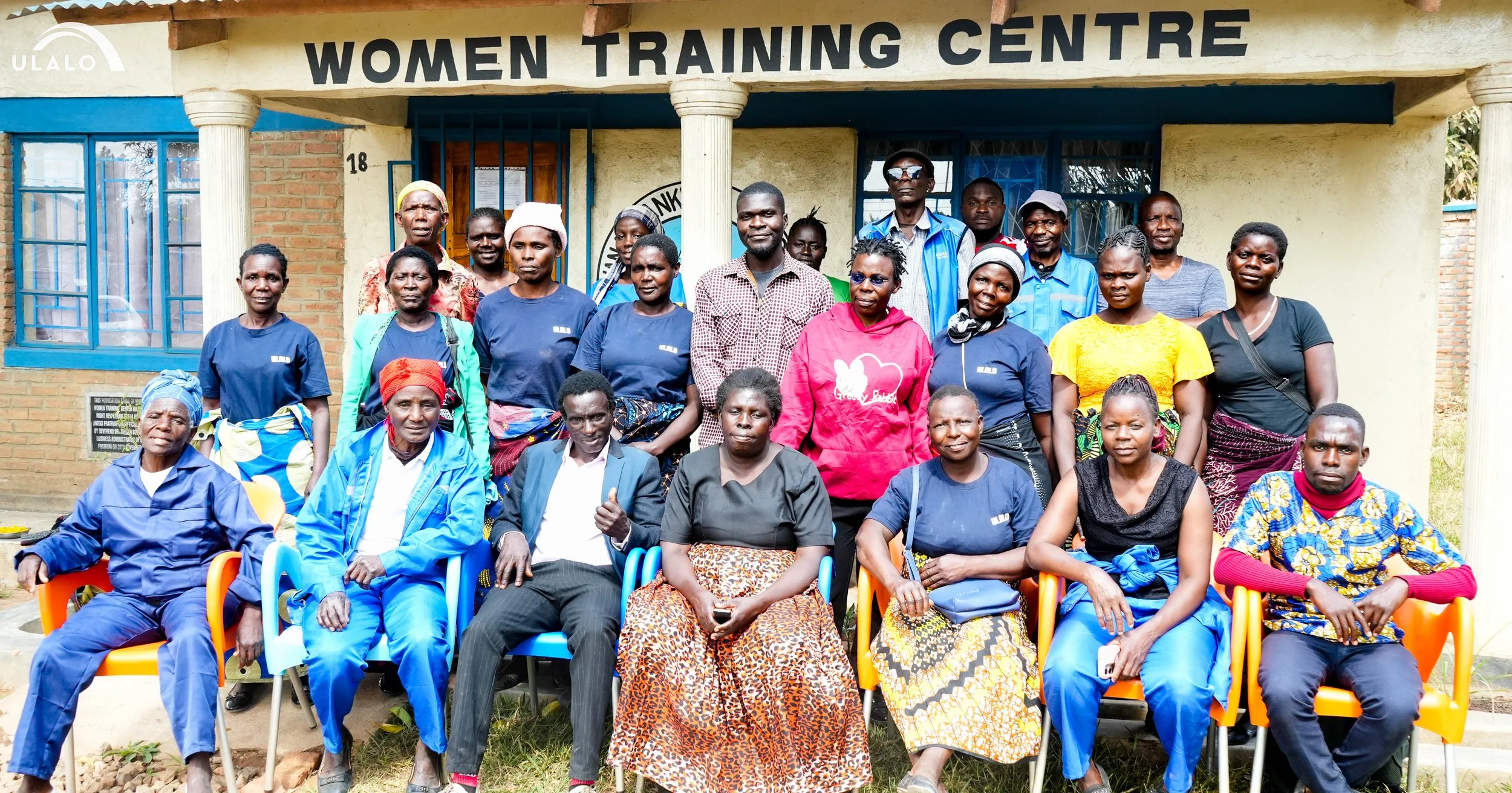
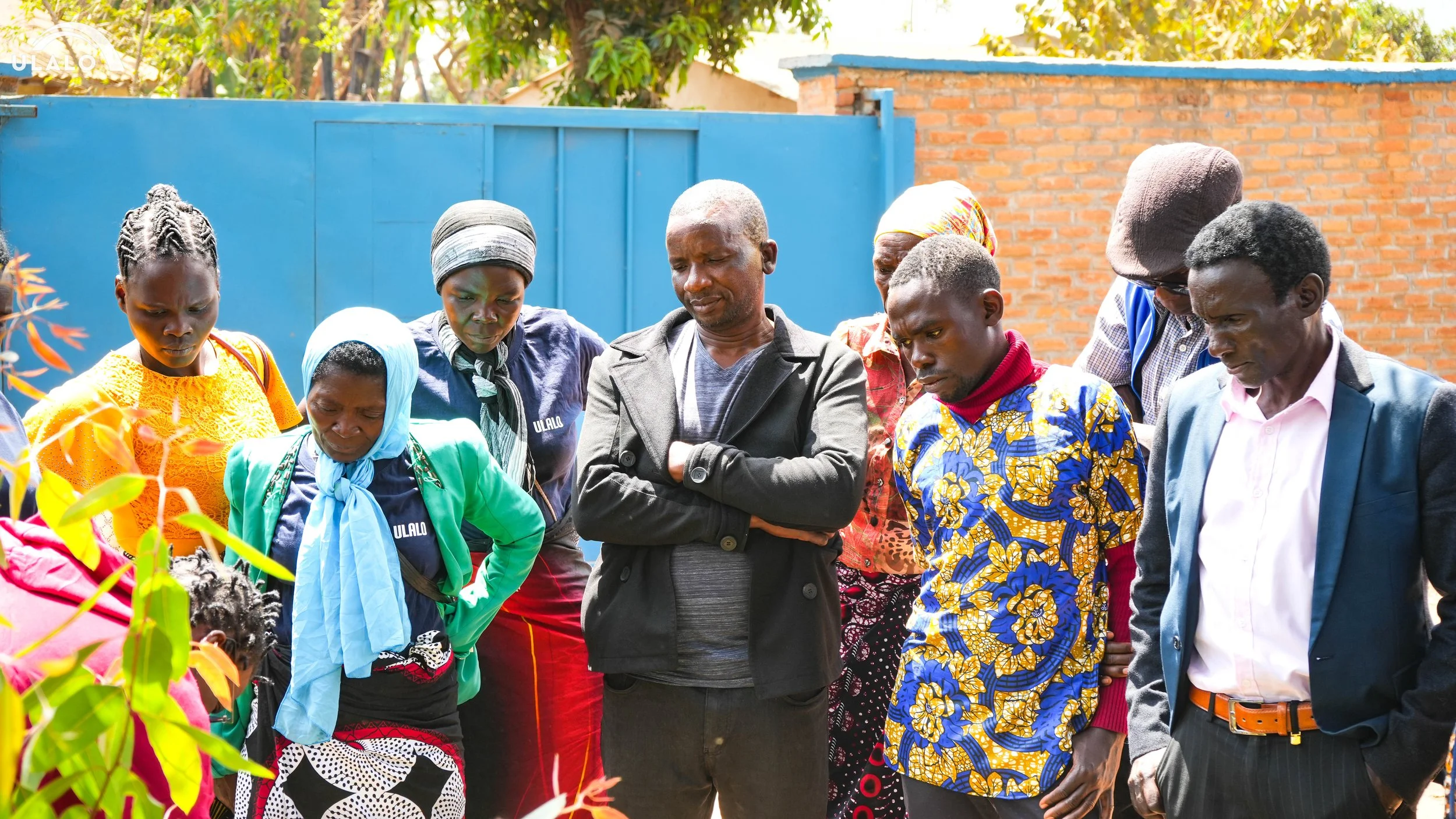
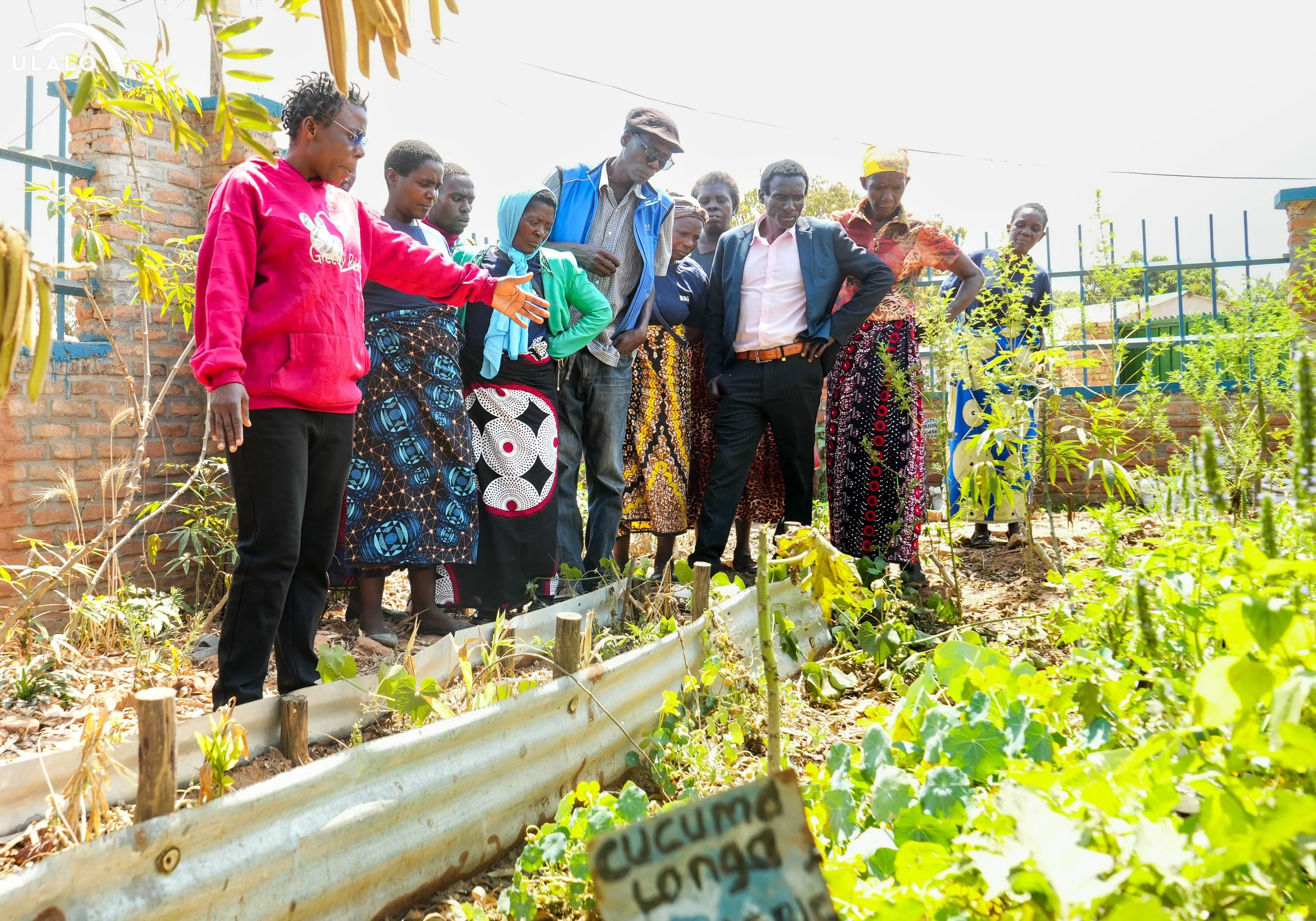
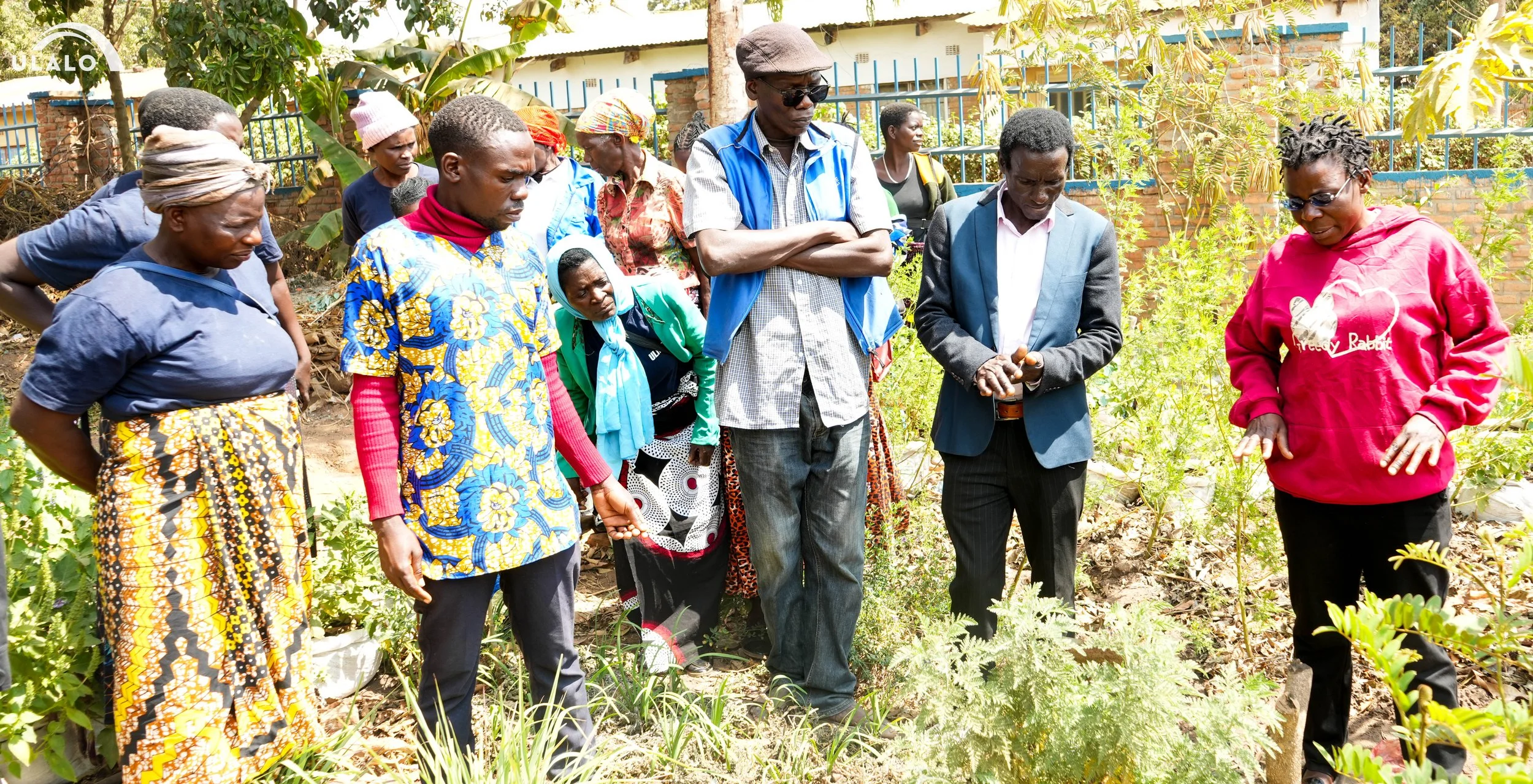
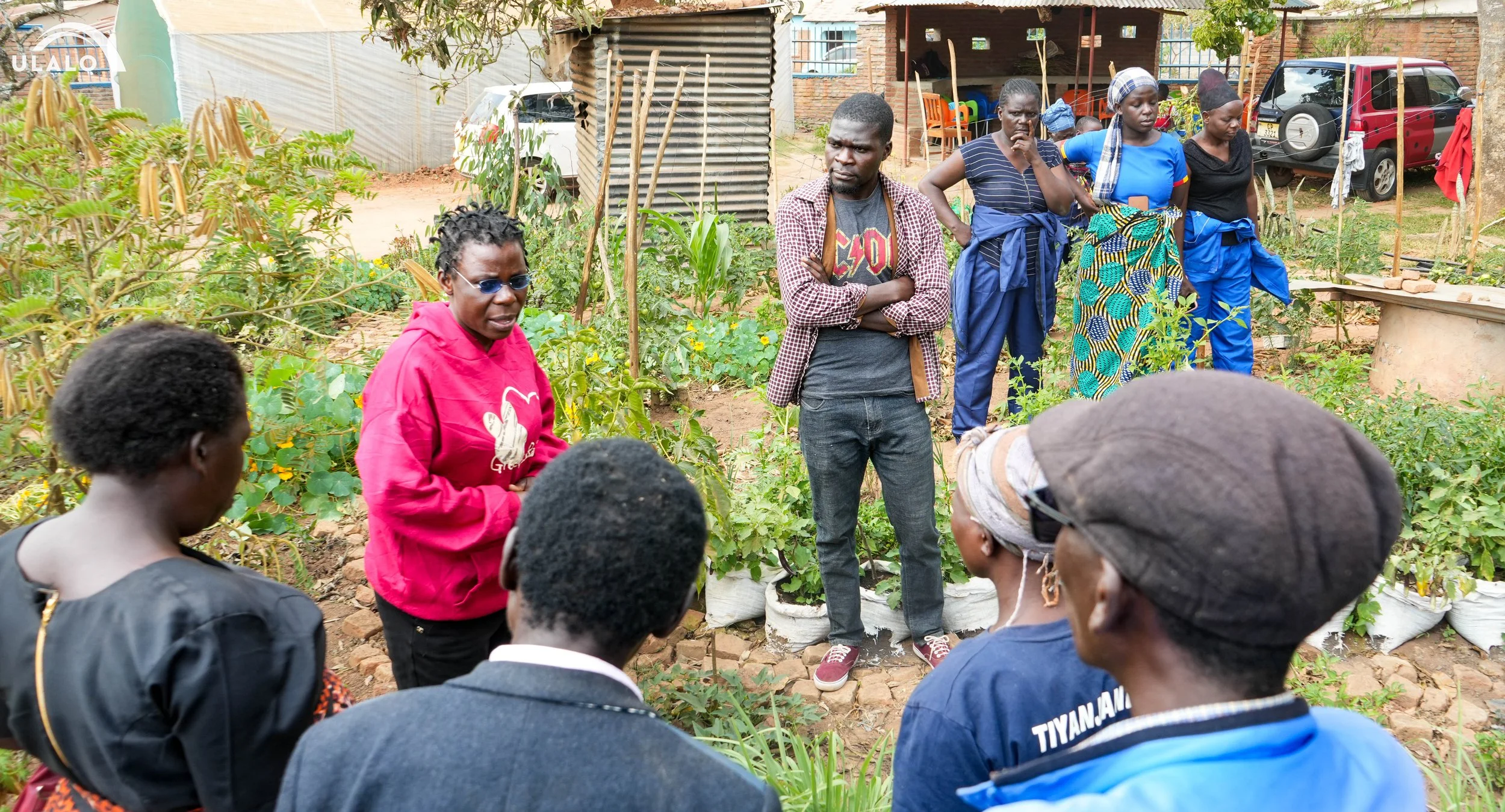
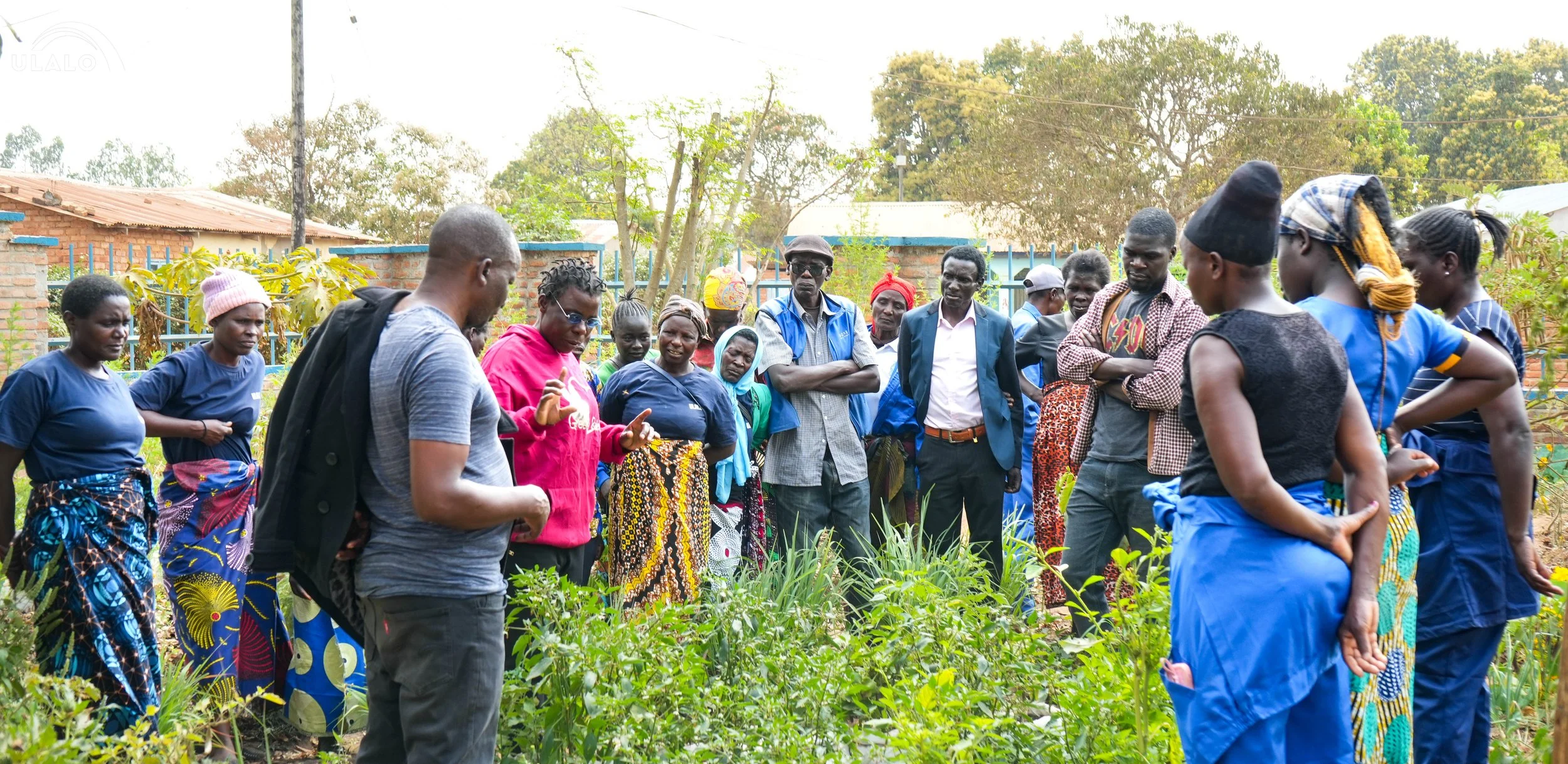
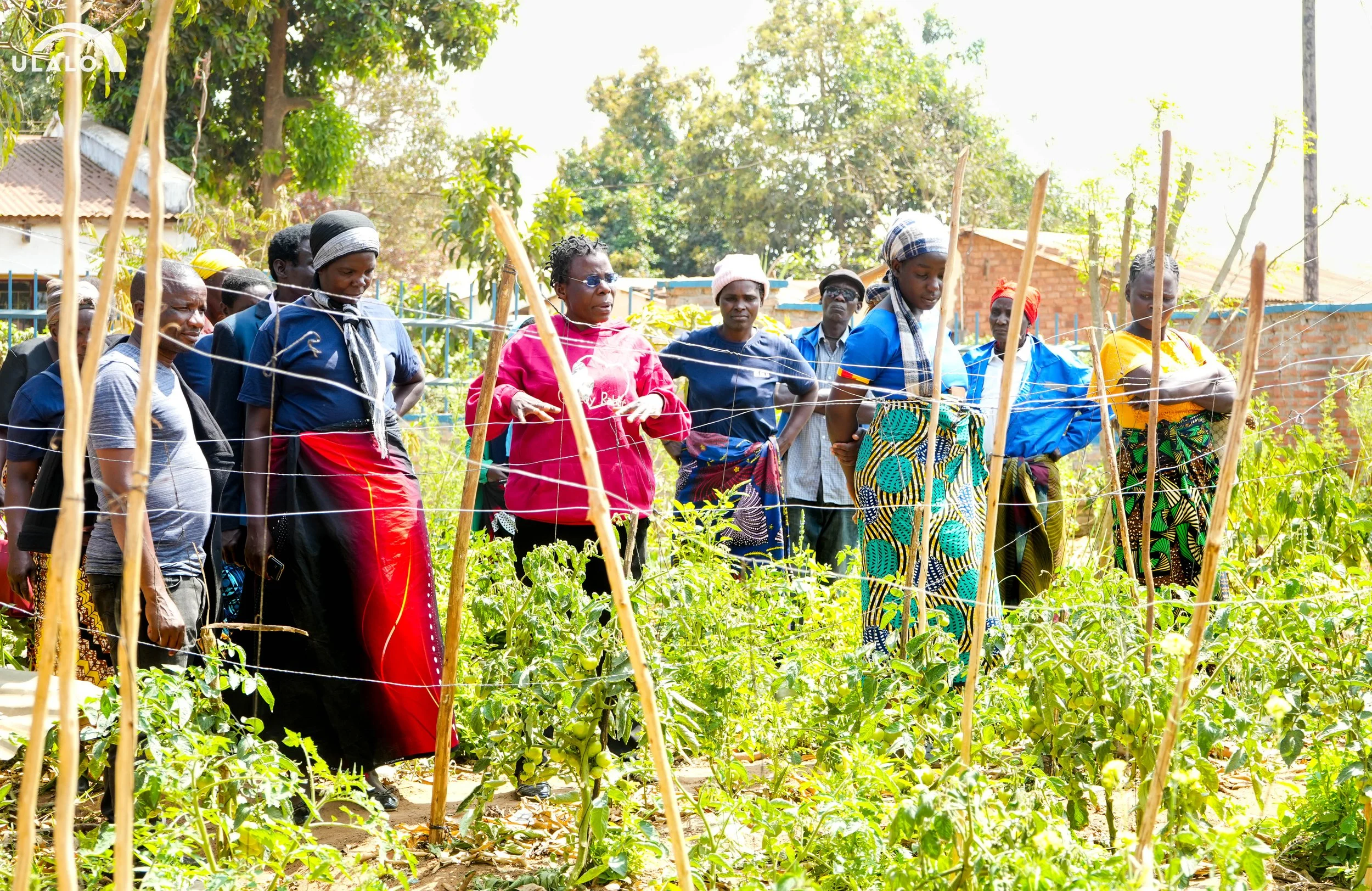
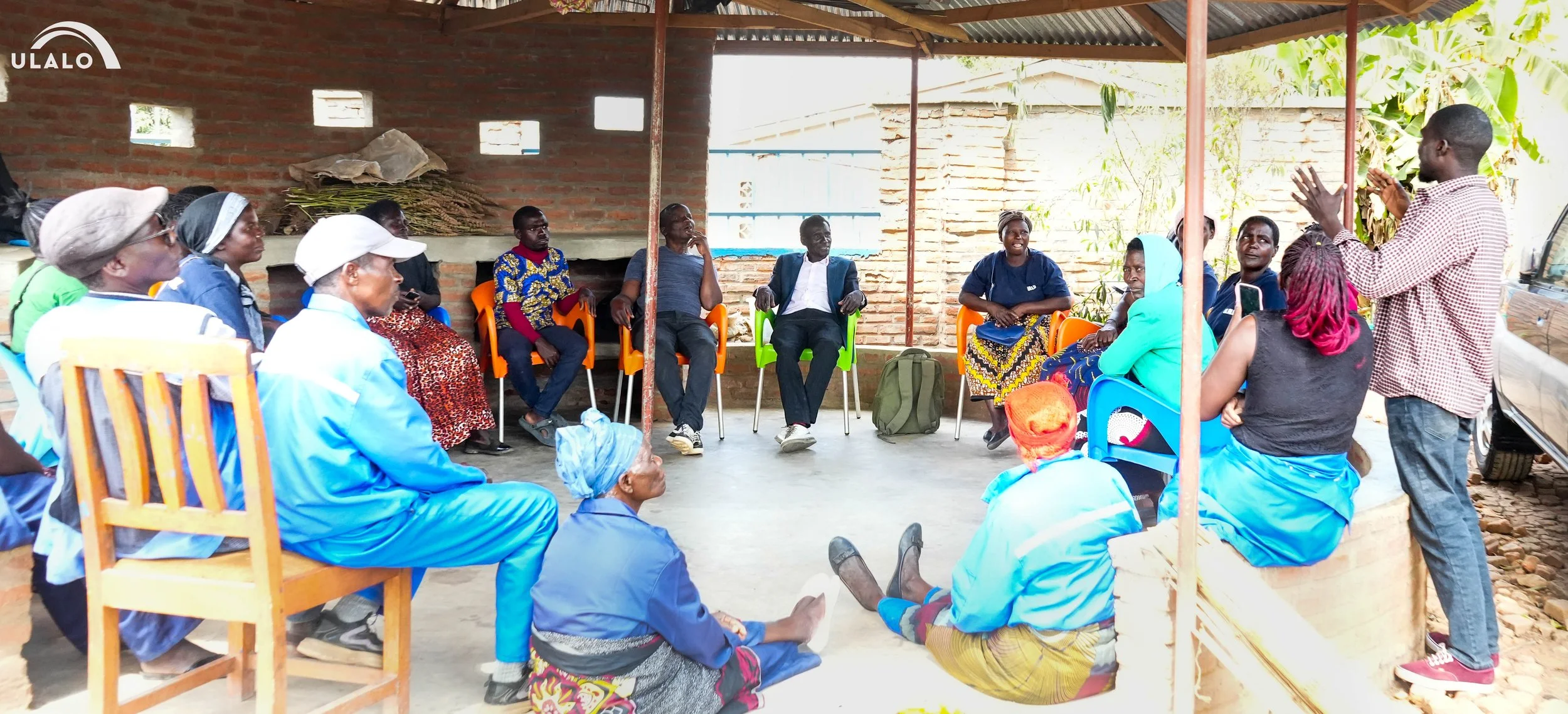
Stronger together: the minds, hands, and community driving this project forward.
Before sunrise in the quiet stretches of Mzimba North, the daily journey for water begins. For the members of Chanyeka Herbal Garden and the Tiyanjane VSL group, every bucket carried across dry terrain is an investment in a quiet revolution: turning high-value medicinal and commercial herbs into a reliable source of income for their households.
Yet, turning green potential into profit in this landscape is a trial of endurance. Unpredictable weather patterns and distant water points mean that keeping crops alive requires extraordinary effort. For five months, the group tended to ten different herb varieties by carrying water long distances just to irrigate twice a week. As the dry season set in and moisture drained from the soil, early skepticism and fatigue began to test their resolve.
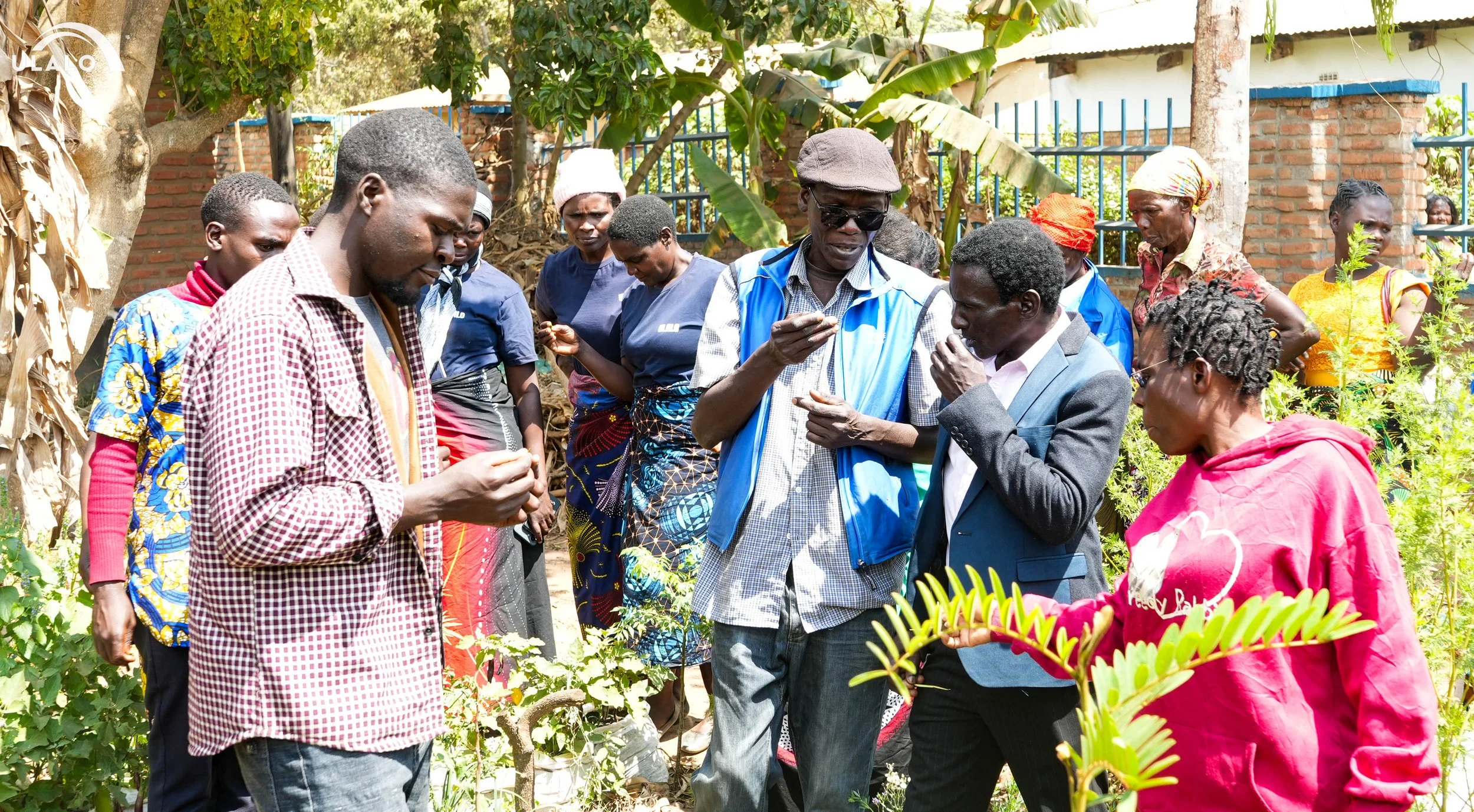
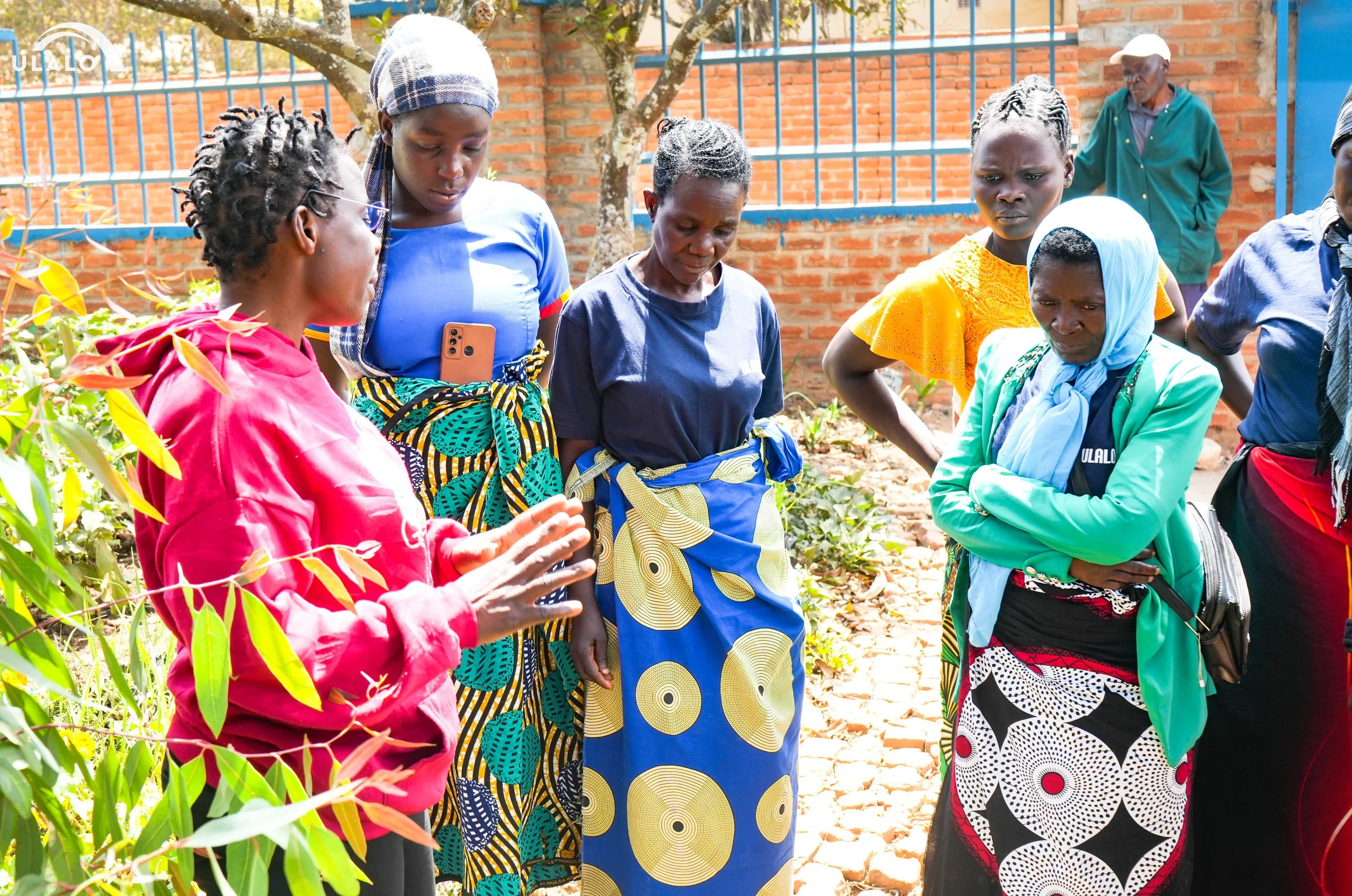
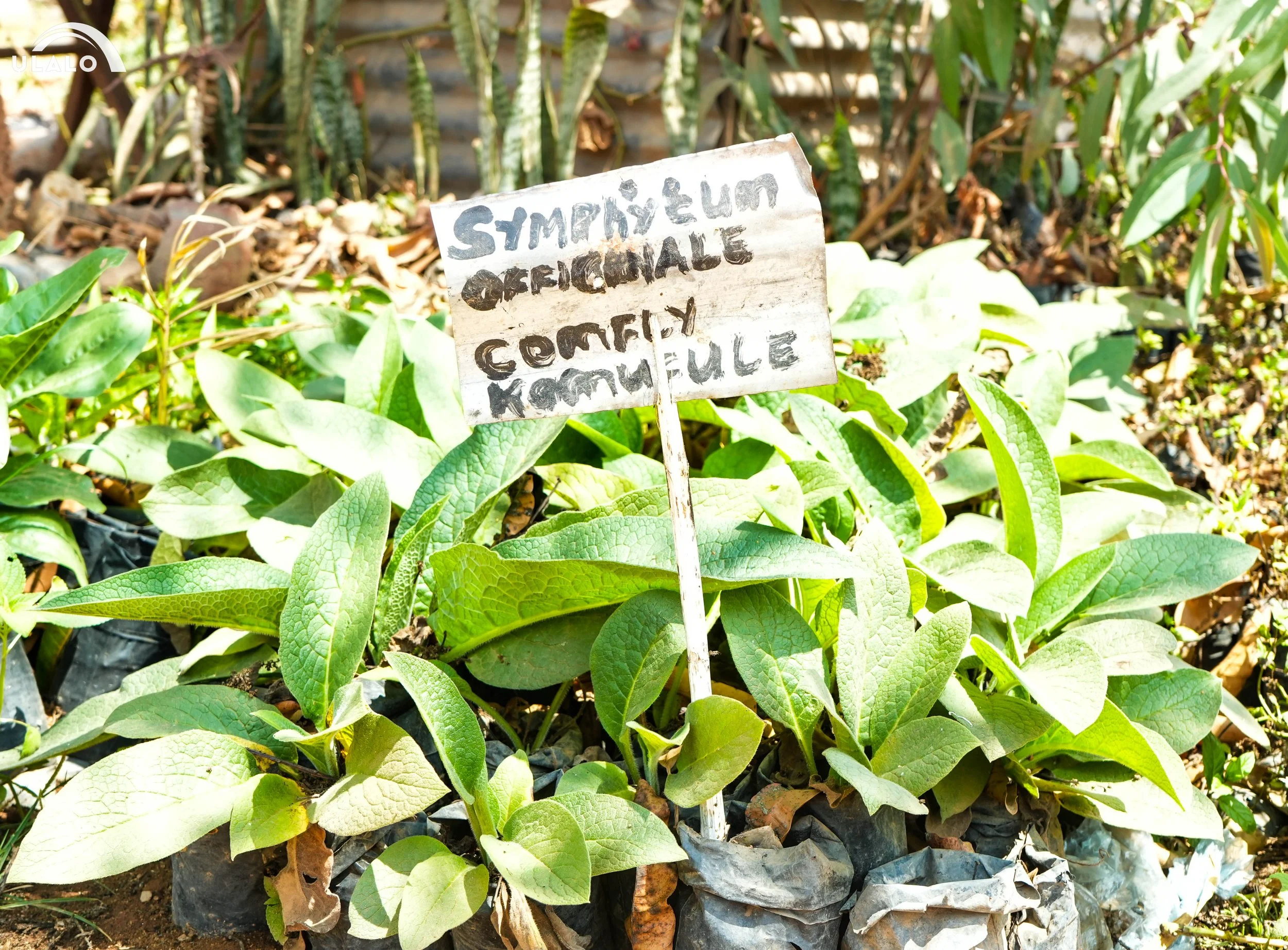
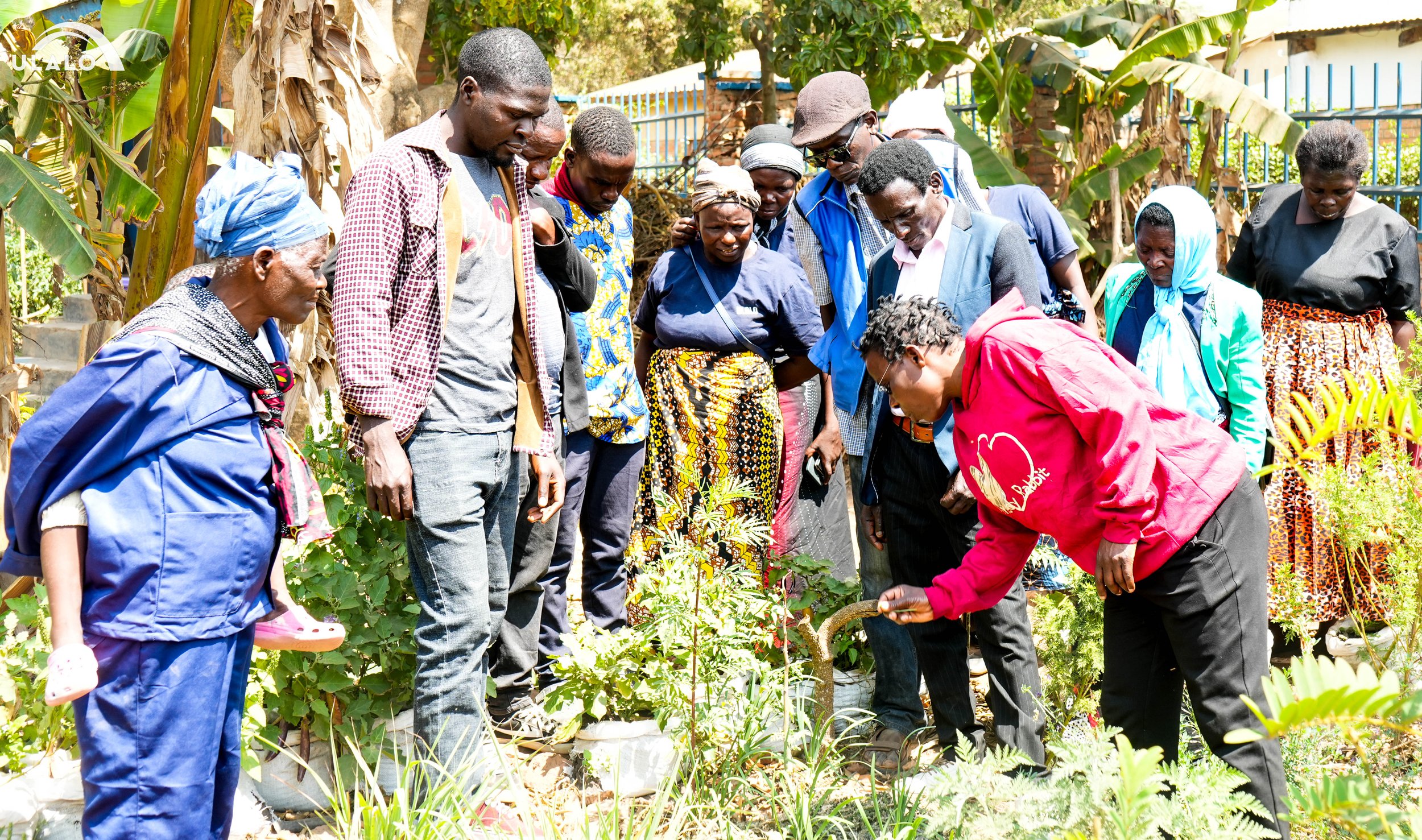
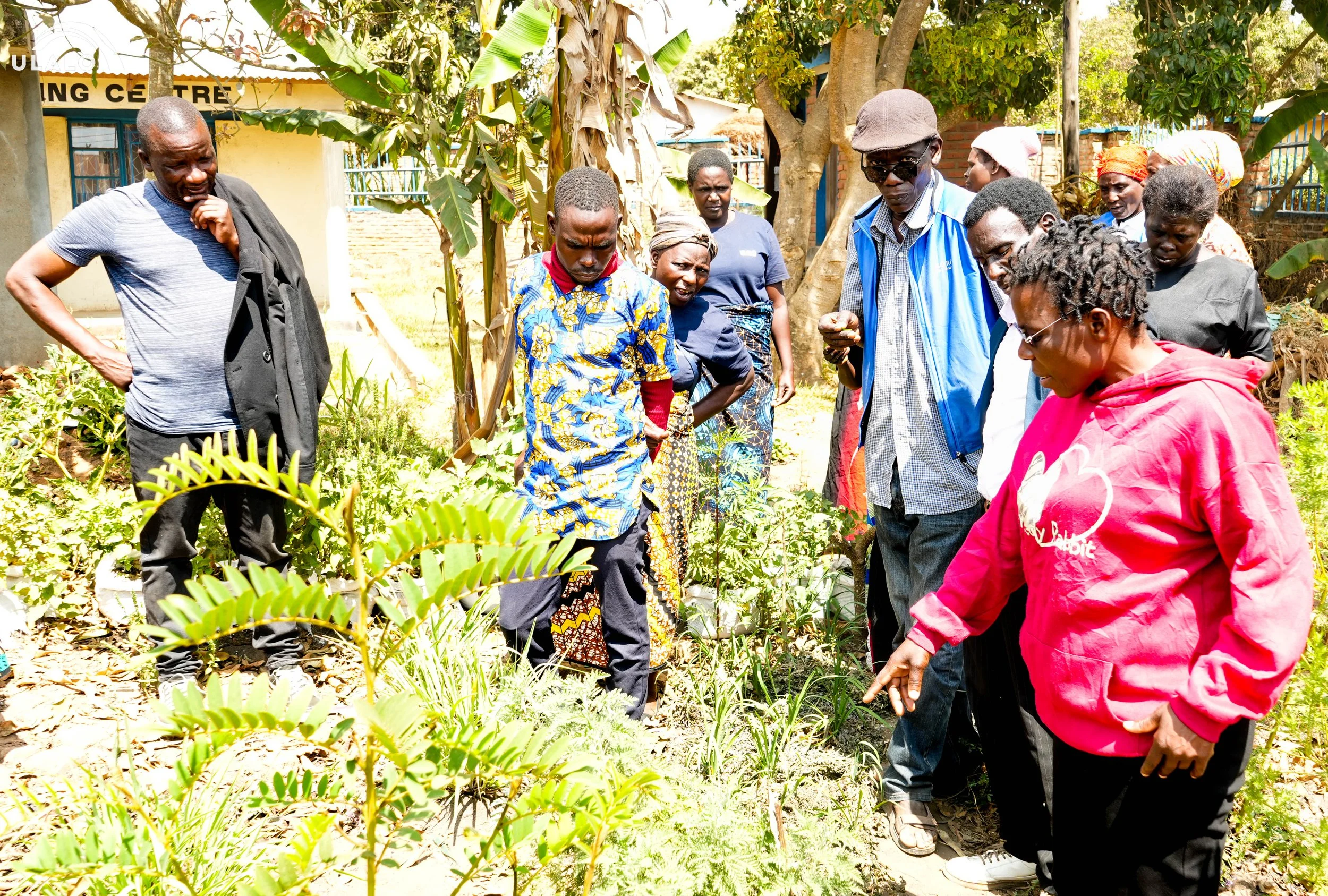
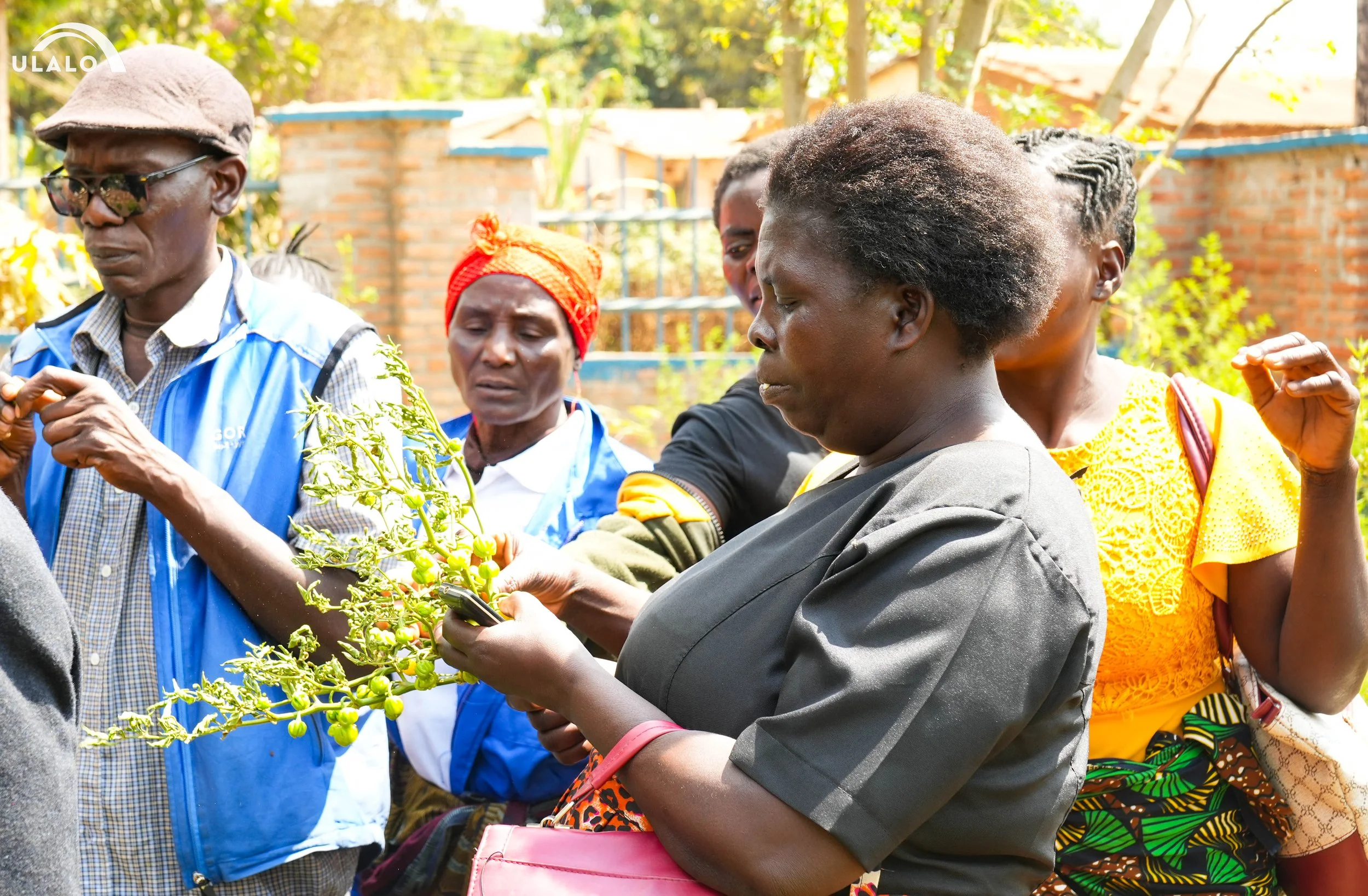
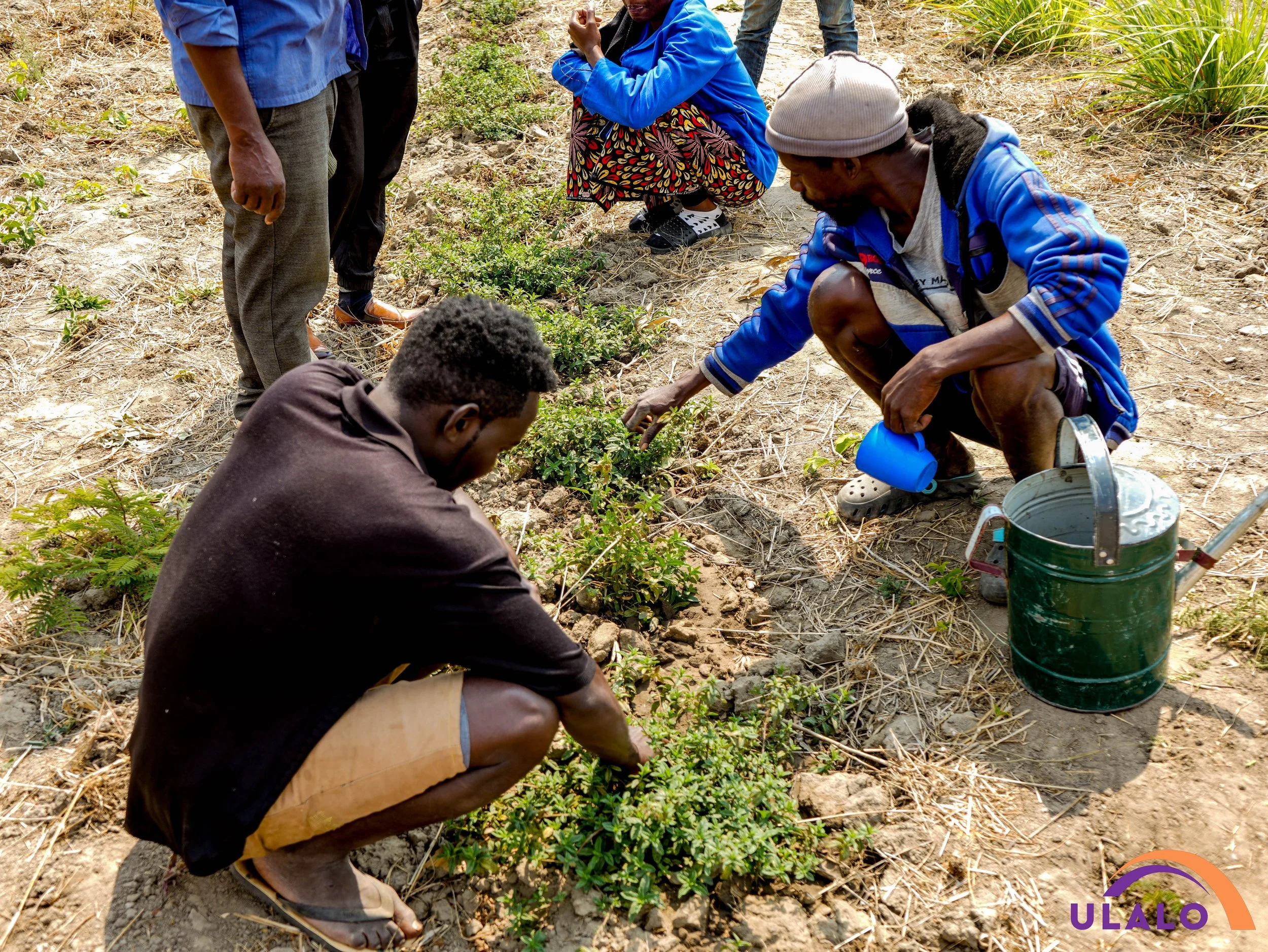
A closer look at local wisdom: testing aroma and quality right at the source.
That trajectory shifted when Ulalo facilitated a peer-to-peer exchange visit under the CANARASI project, funded by Chance durch Bildung (CdB) and the Federal Ministry for Economic Cooperation and Development (BMZ) in Germany. Traveling to the MCM Women’s Training Center in Mchengawutuba, the group stepped out of their own fields to learn directly from fellow farmers who had already mastered the craft.
Learning by Seeing
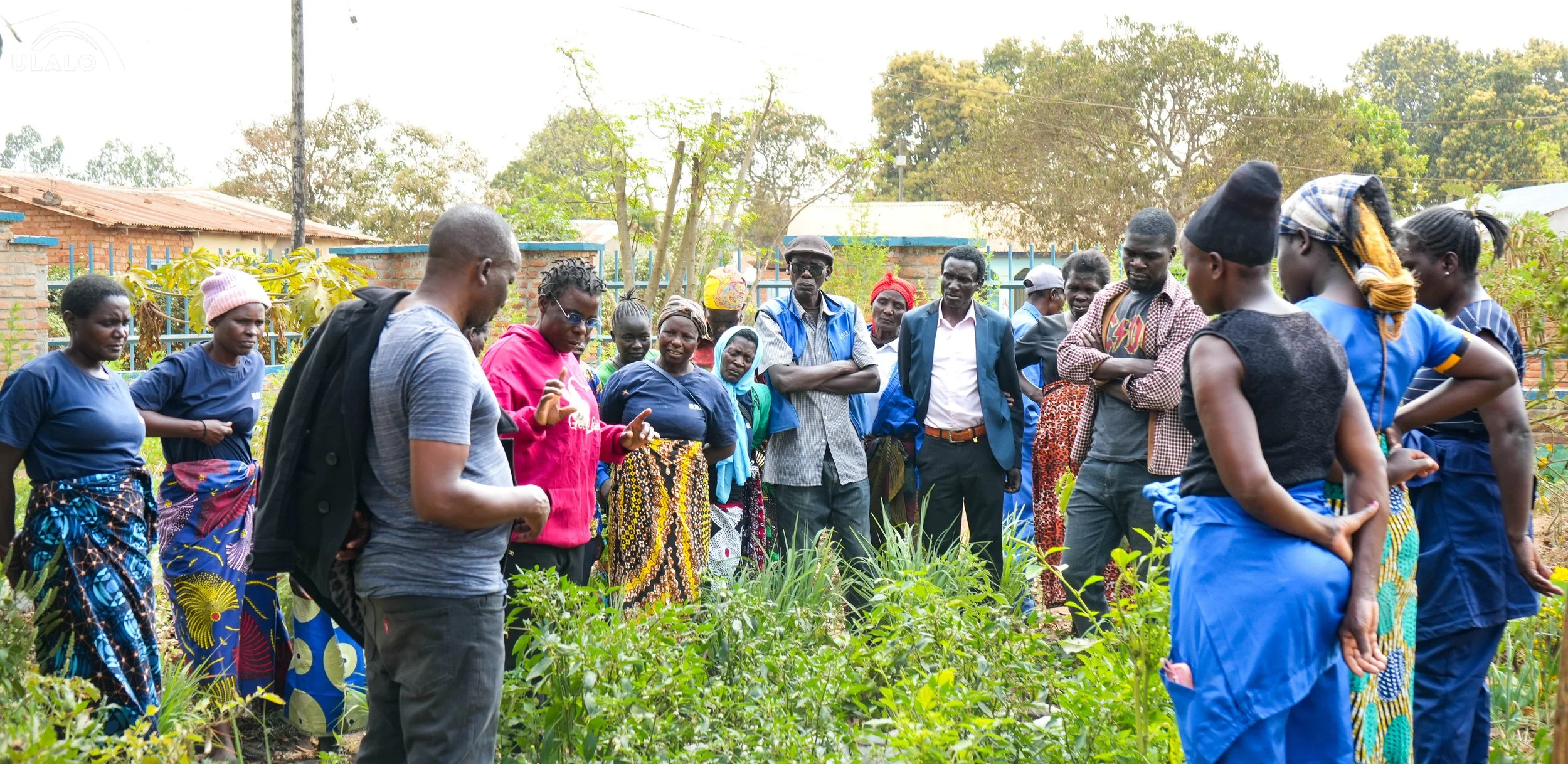
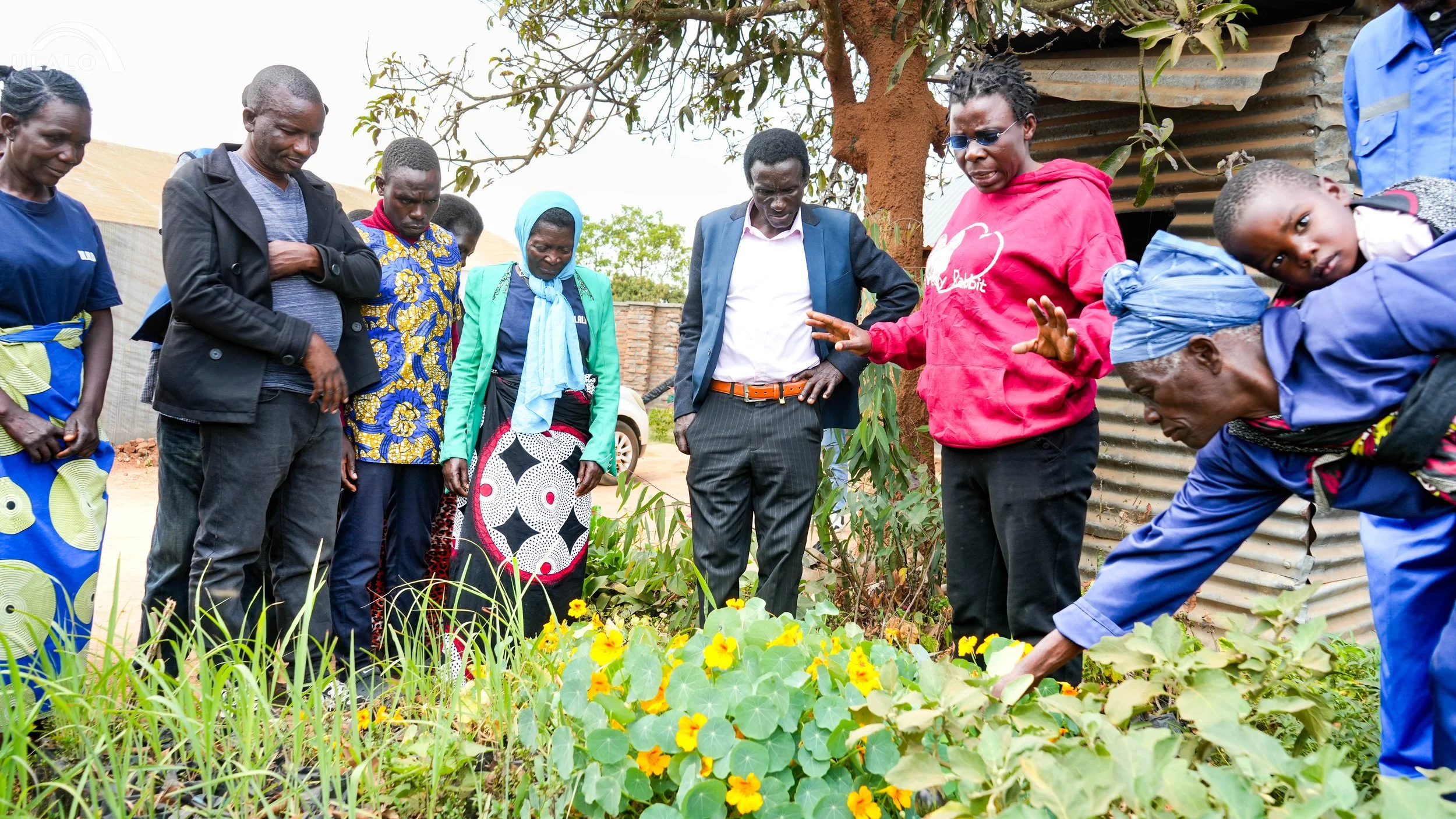
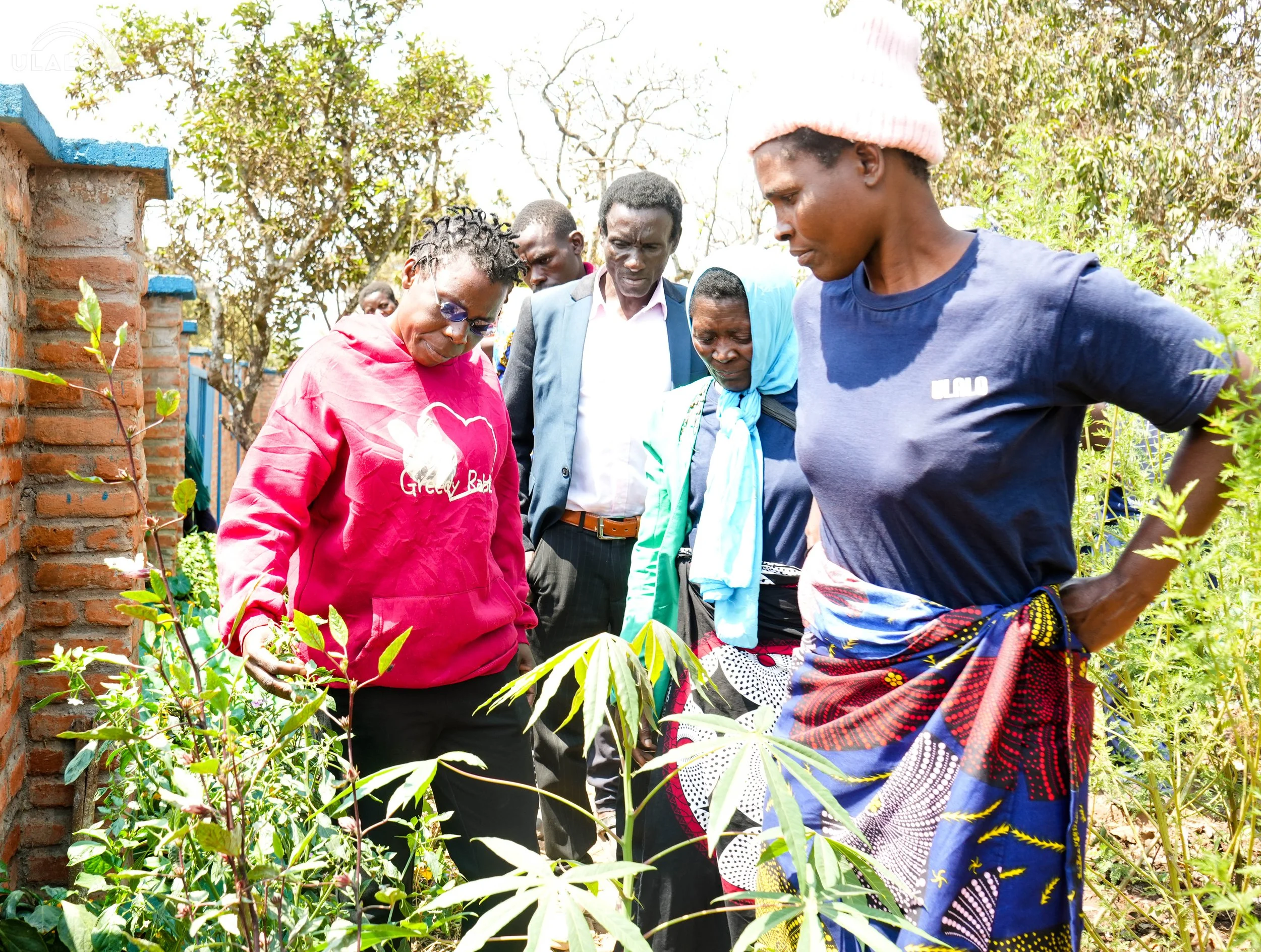
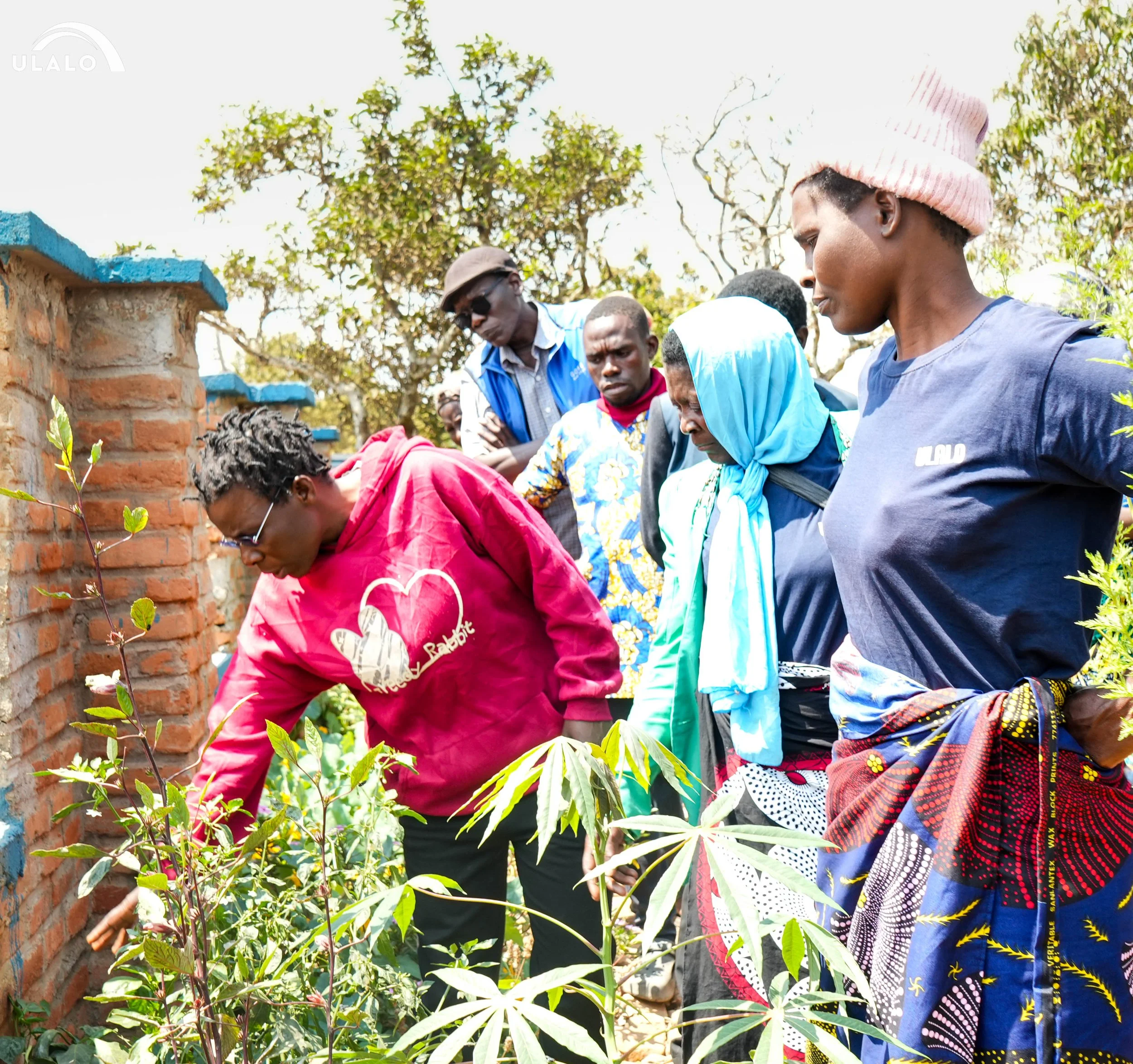
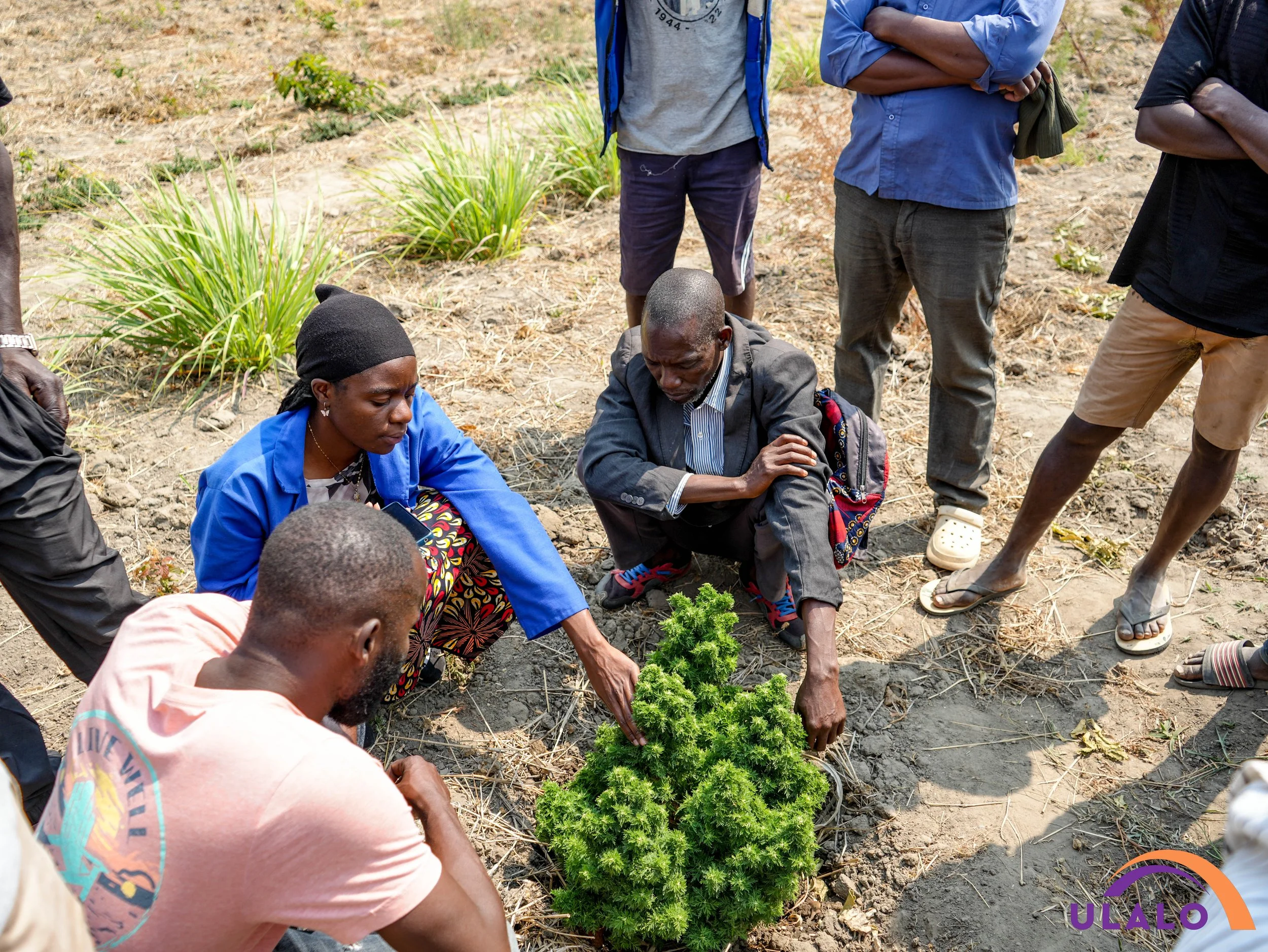
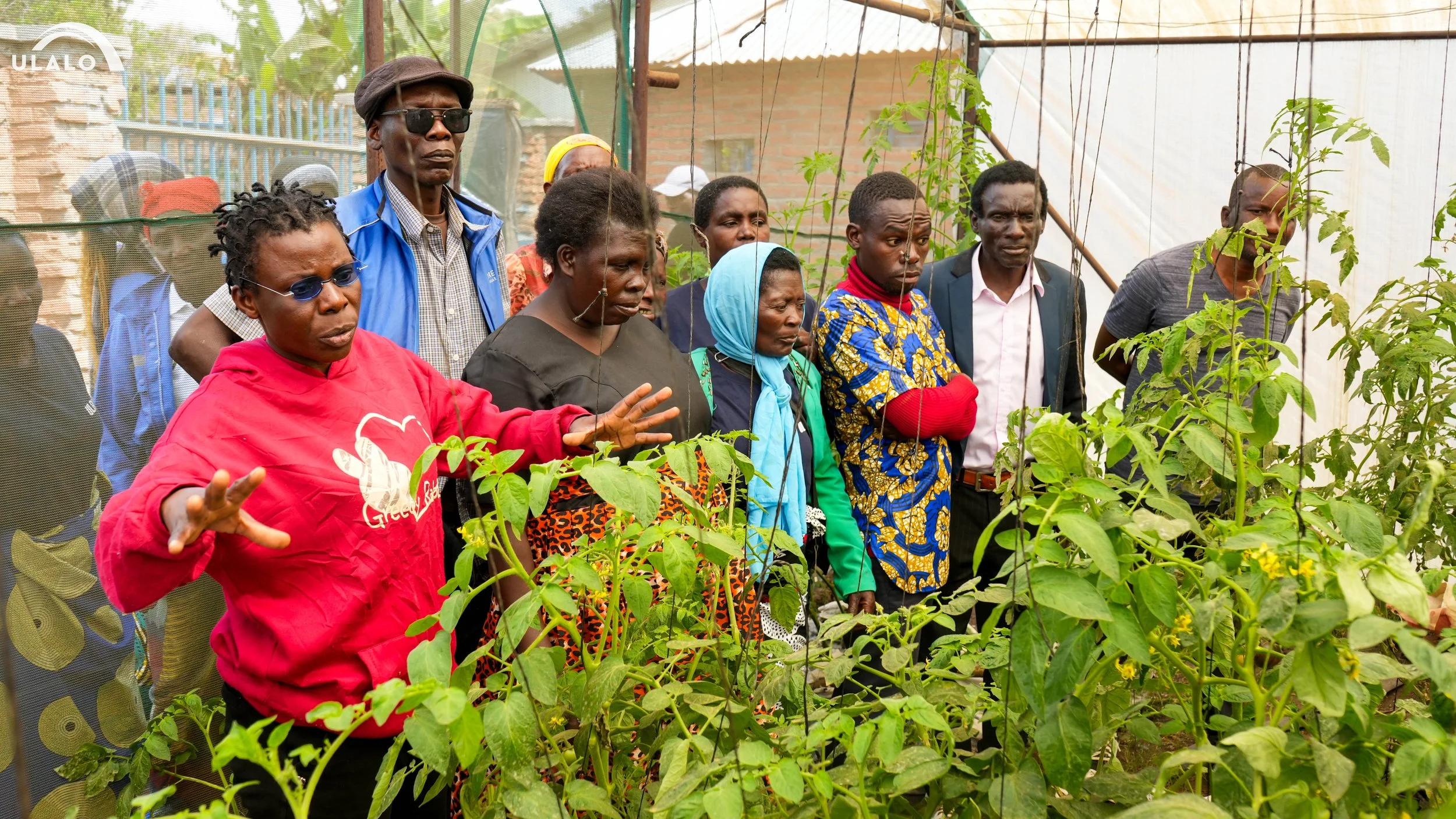
Trainees and project leadership getting hands-on with local herbal cultivation.
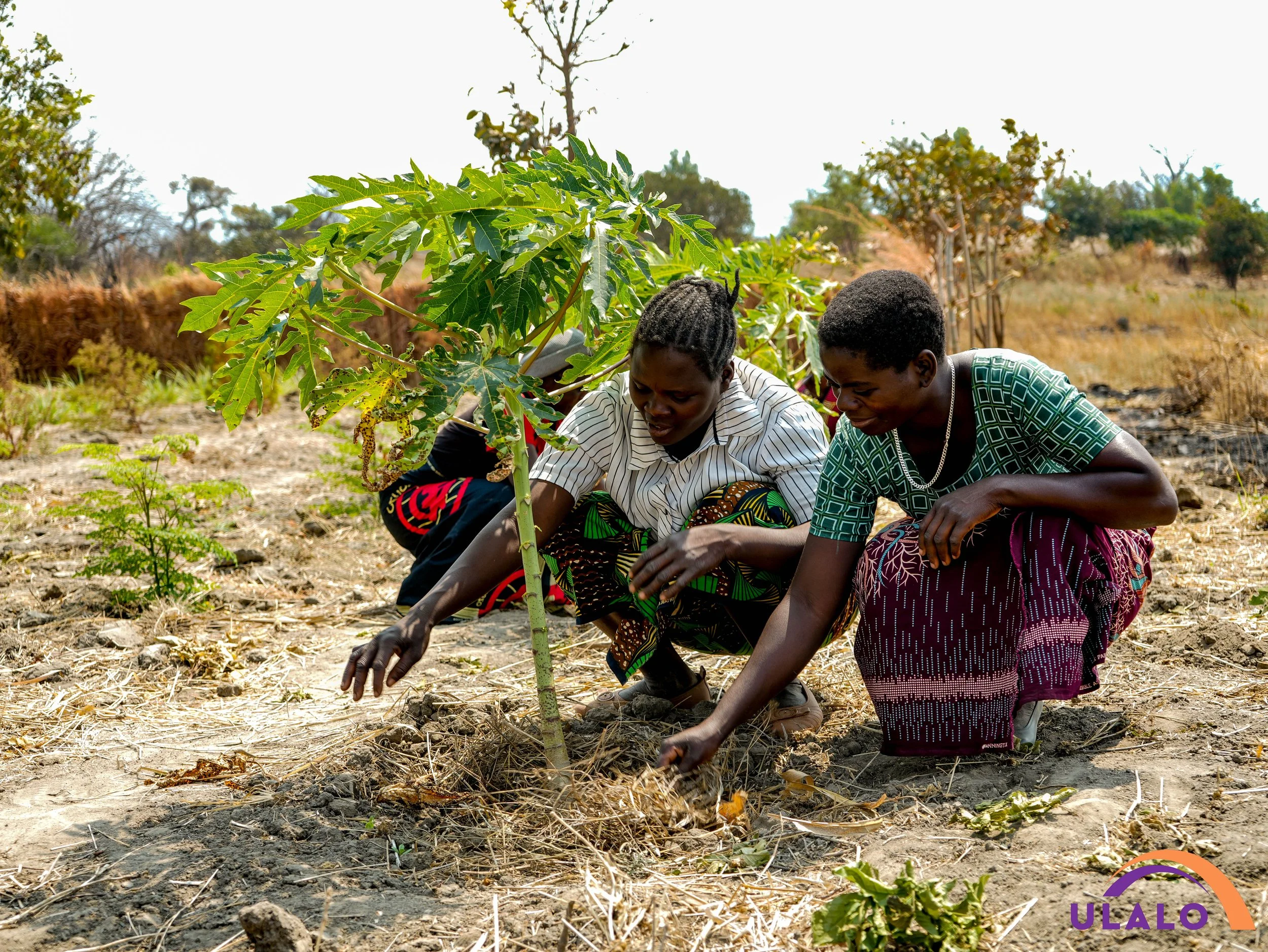
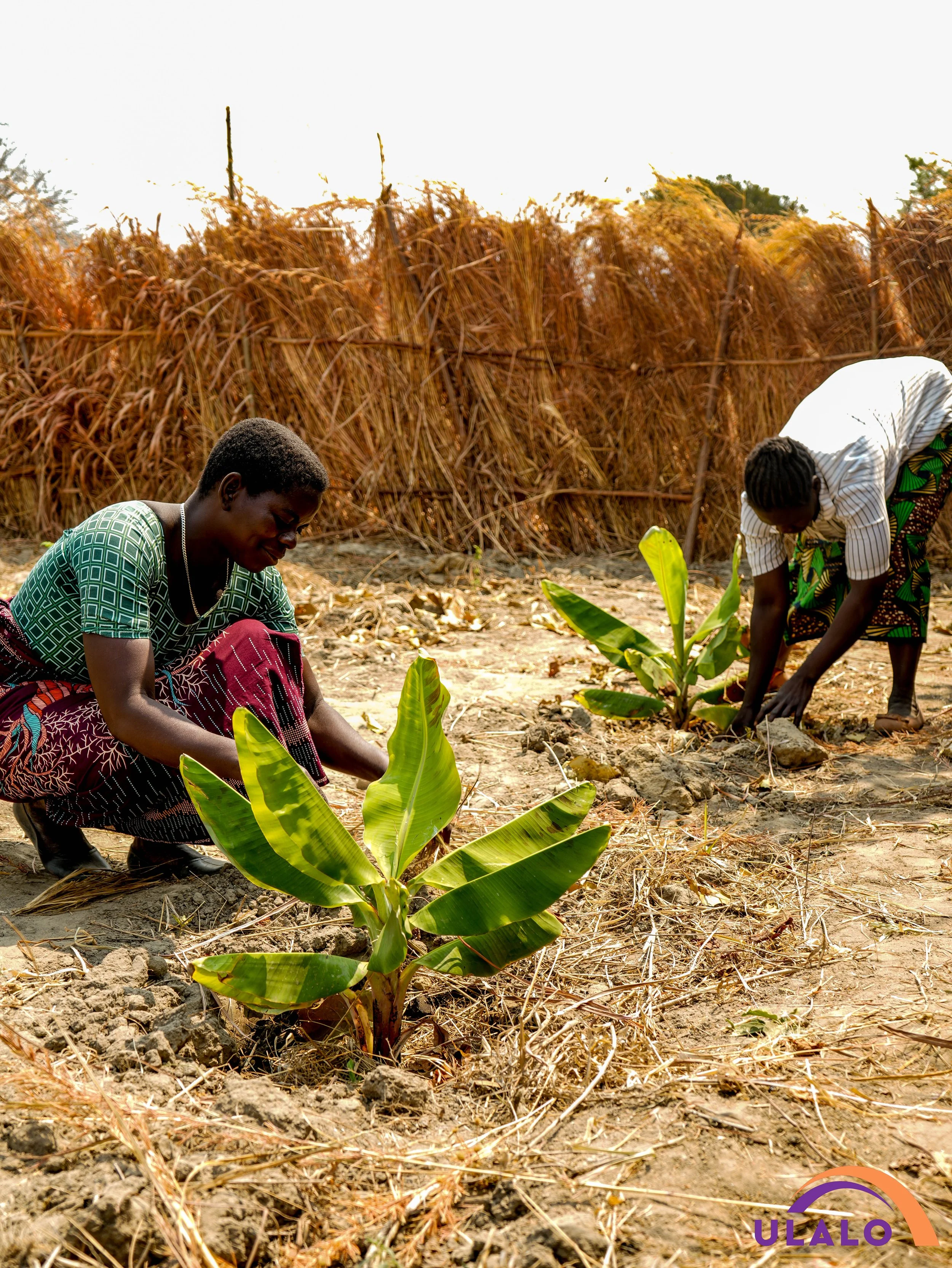
At Mchengawutuba, abstract concepts turned into practical solutions. The visiting farmers were introduced to low-cost organic manure production, discovering how to enrich their soil without expensive inputs. They saw how companion planting, growing supportive crops alongside their herbs, could naturally retain soil moisture, shade root systems, and ward off pests.
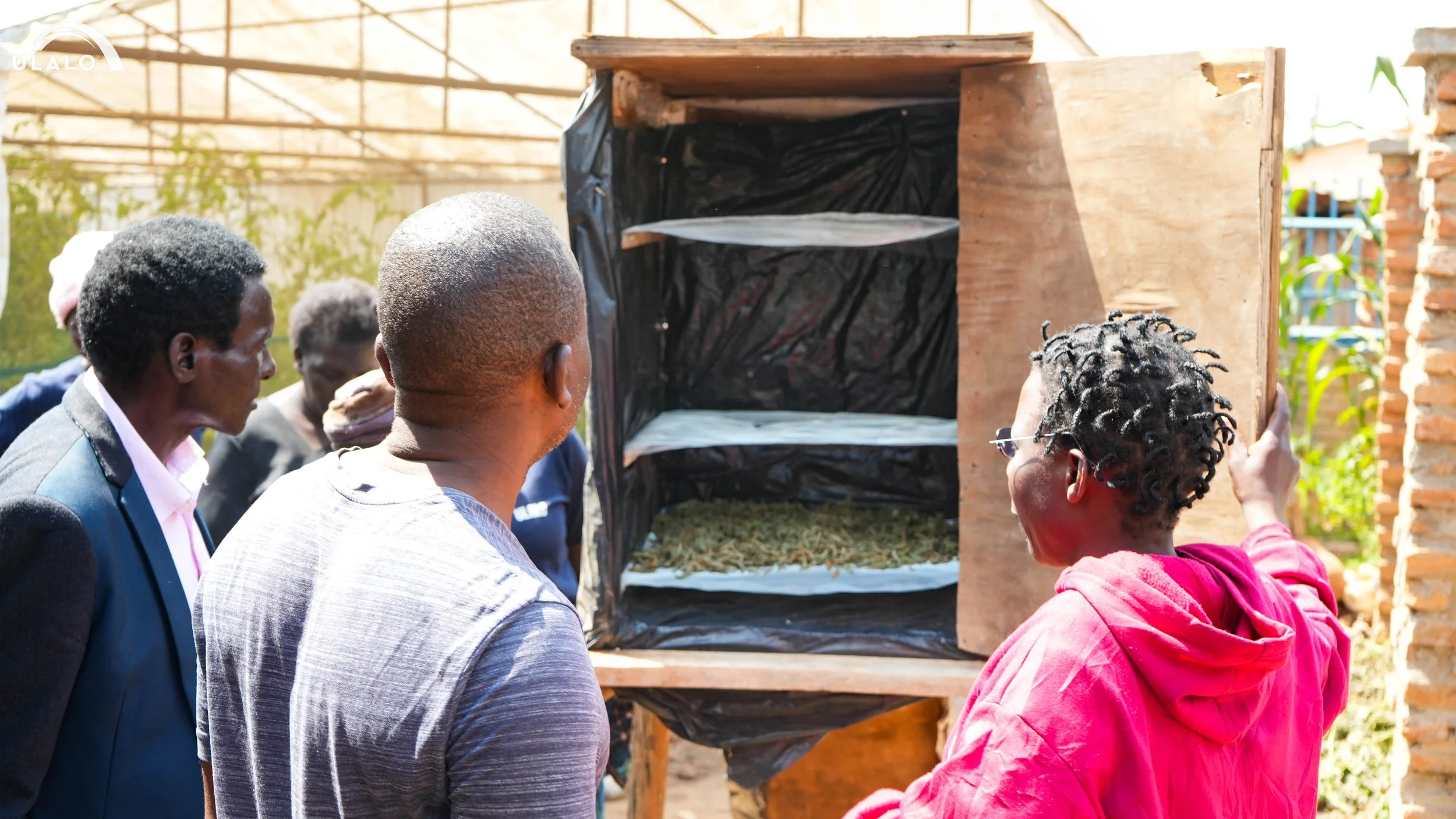
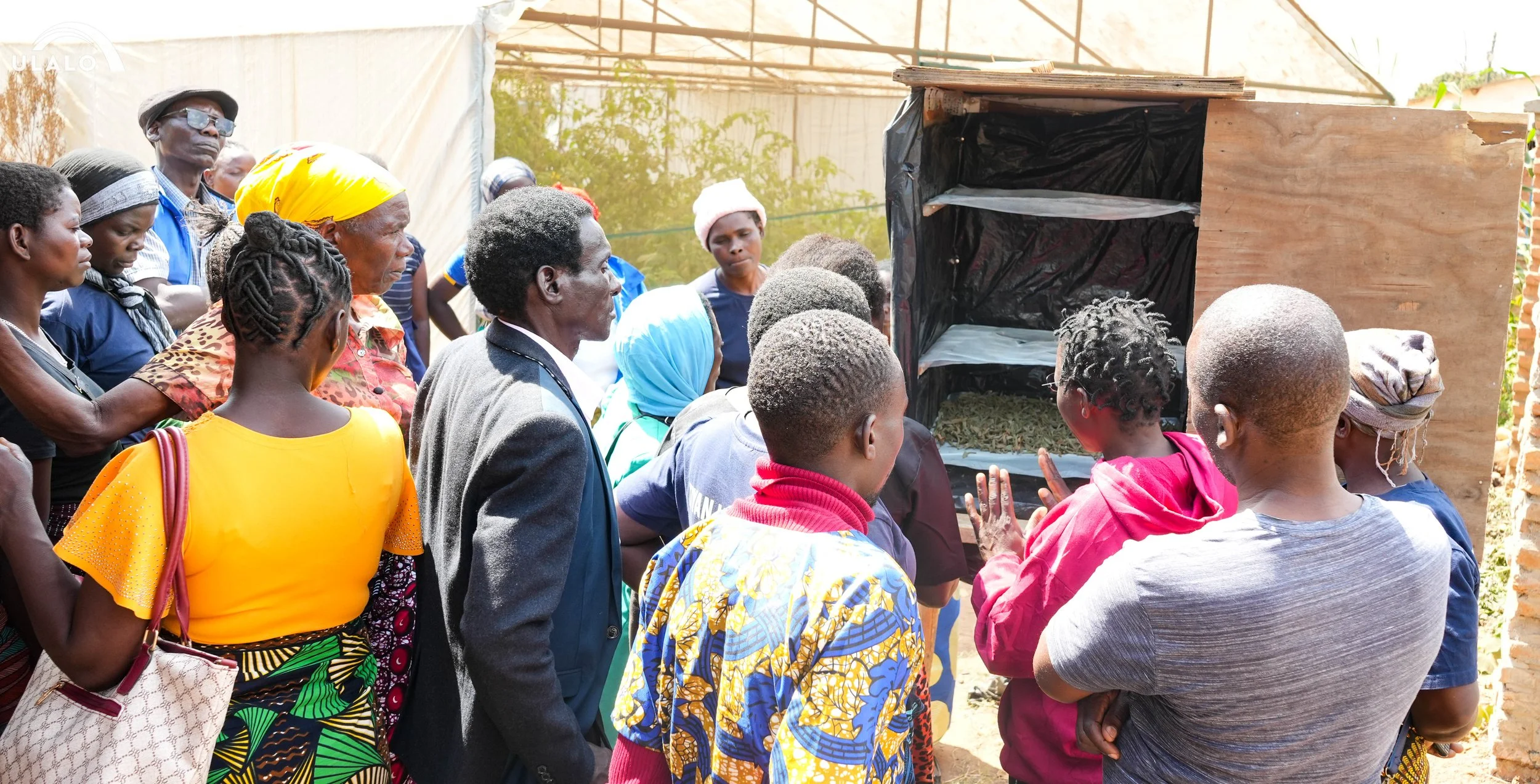
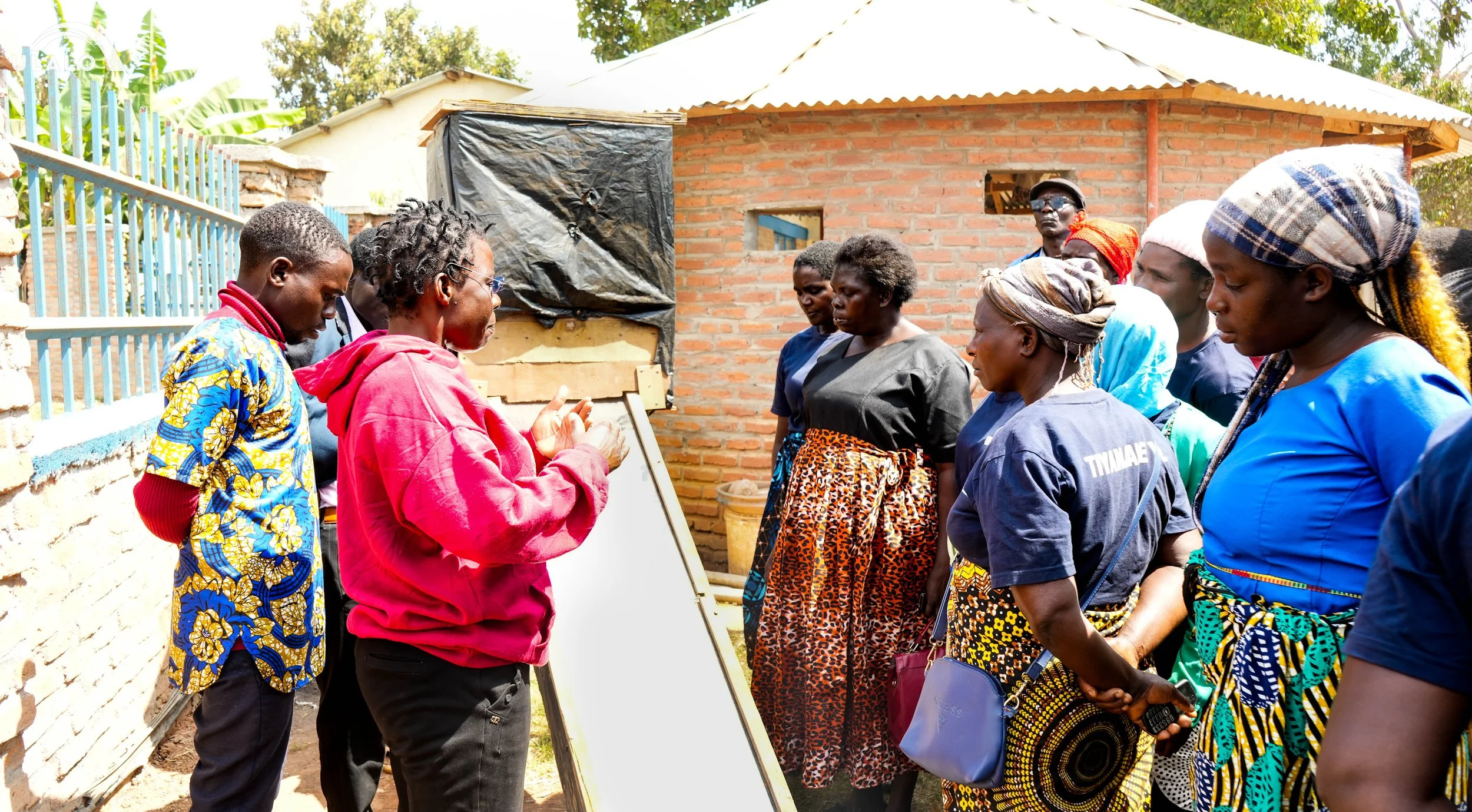
Crucially, they also mastered post-harvest handling, learning to construct simple solar dryers out of locally available materials to preserve the potency and market value of their harvest.
The exchange did more than transfer technical skills; it restored momentum.
Reflecting on the change in mindset, GVH Chanyeka noted that while early skepticism and water scarcity had weighed heavily on his community, seeing modern organic methods work in real-time proved that their backyards could indeed become thriving enterprises.
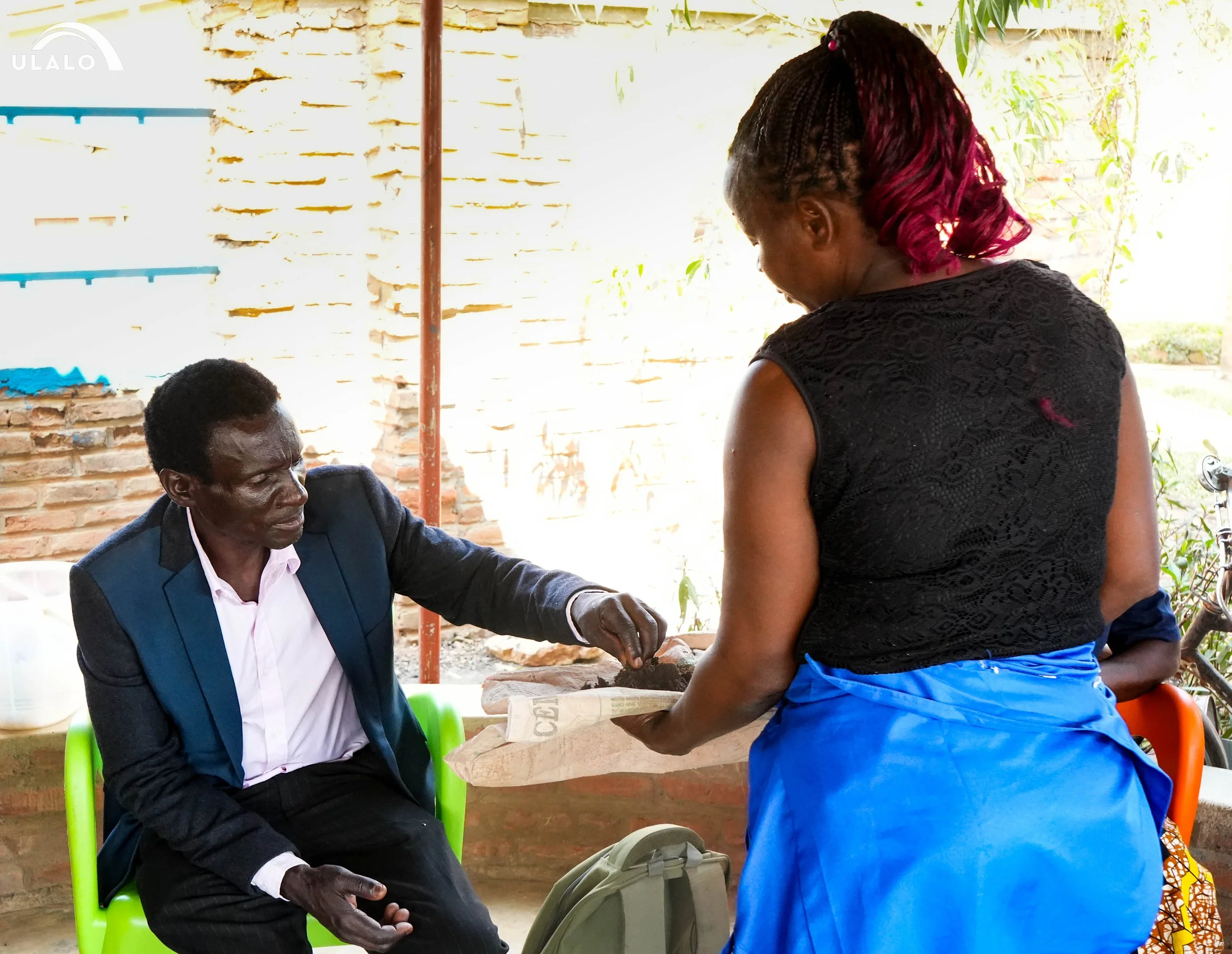
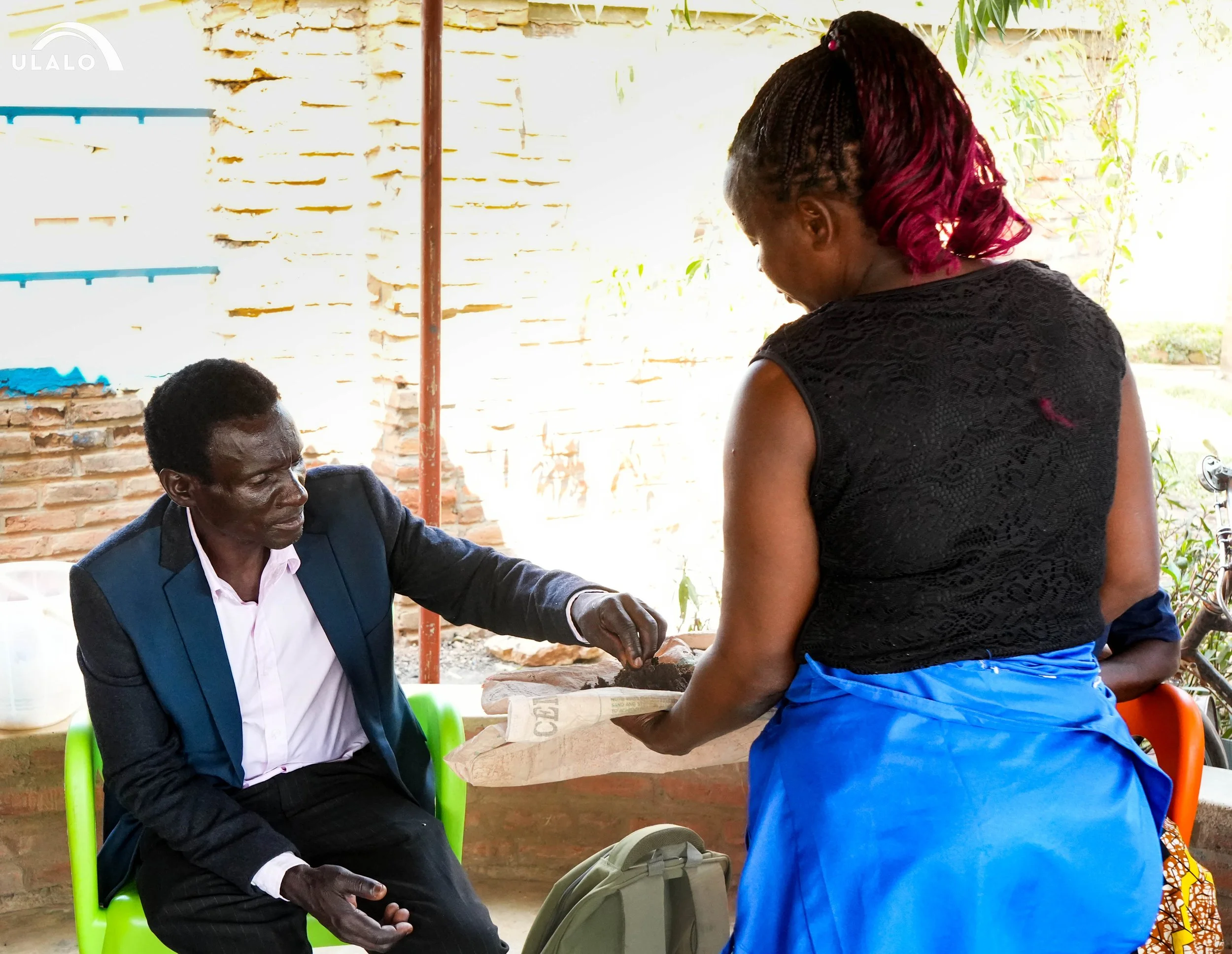
GVH Chanyeka sampling organic manure.
For him, the stakes go far beyond immediate household earnings: the community envisions using proceeds from the herbal gardens to build a local Early Childhood Development (ECD) center, giving young children a strong educational foundation close to home.
That sense of renewed purpose is shared directly in the garden. Alick Mjima, Chairperson of Chanyeka Herbal Garden, recalled how doubt had begun creeping in as the moisture in their soil faded over the five months of hard labor.
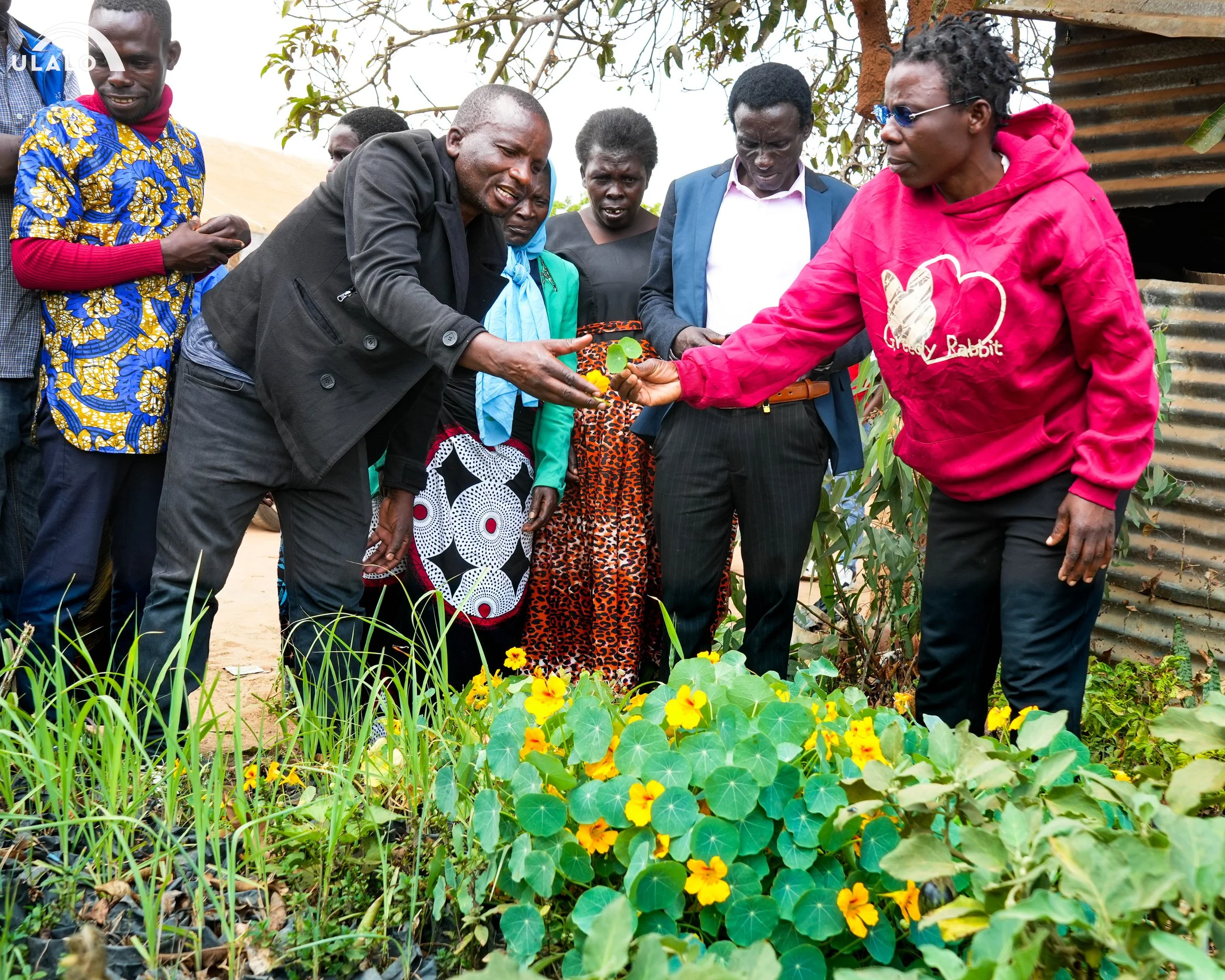
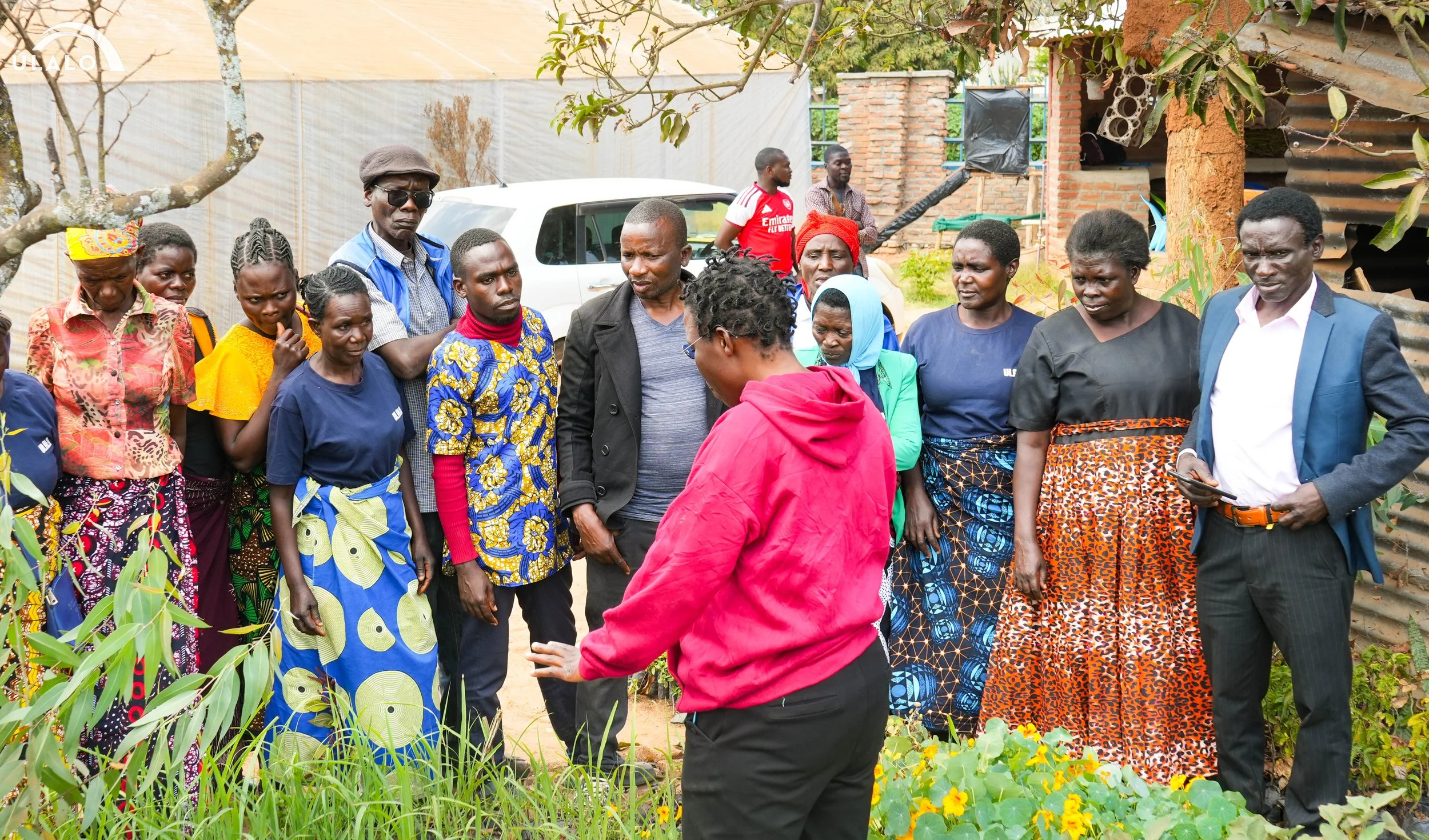
A taste of progress: Chairperson Alick Mjima evaluating the quality of community-grown herbs.
For Mjima and his team, mastering organic soil enrichment and local drying techniques was an eye-opener that "pumped life back into our hopes and aspirations as a group."
For individual households, the impact is immediately personal. Eluby Botha, Treasurer for Chanyeka, found that gaining a deeper understanding of the medicinal uses and market value of the plants they tend transformed her perspective entirely.
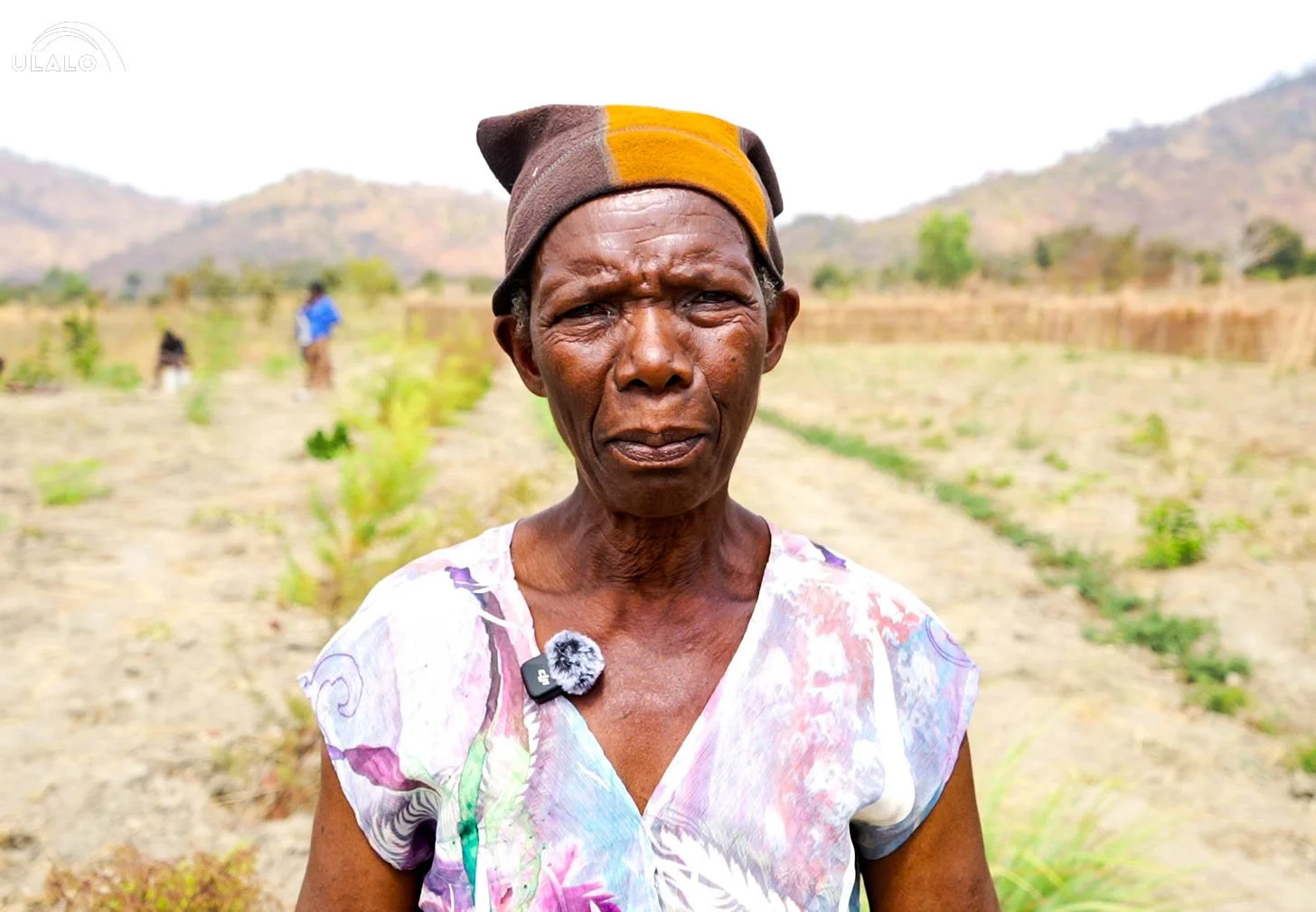
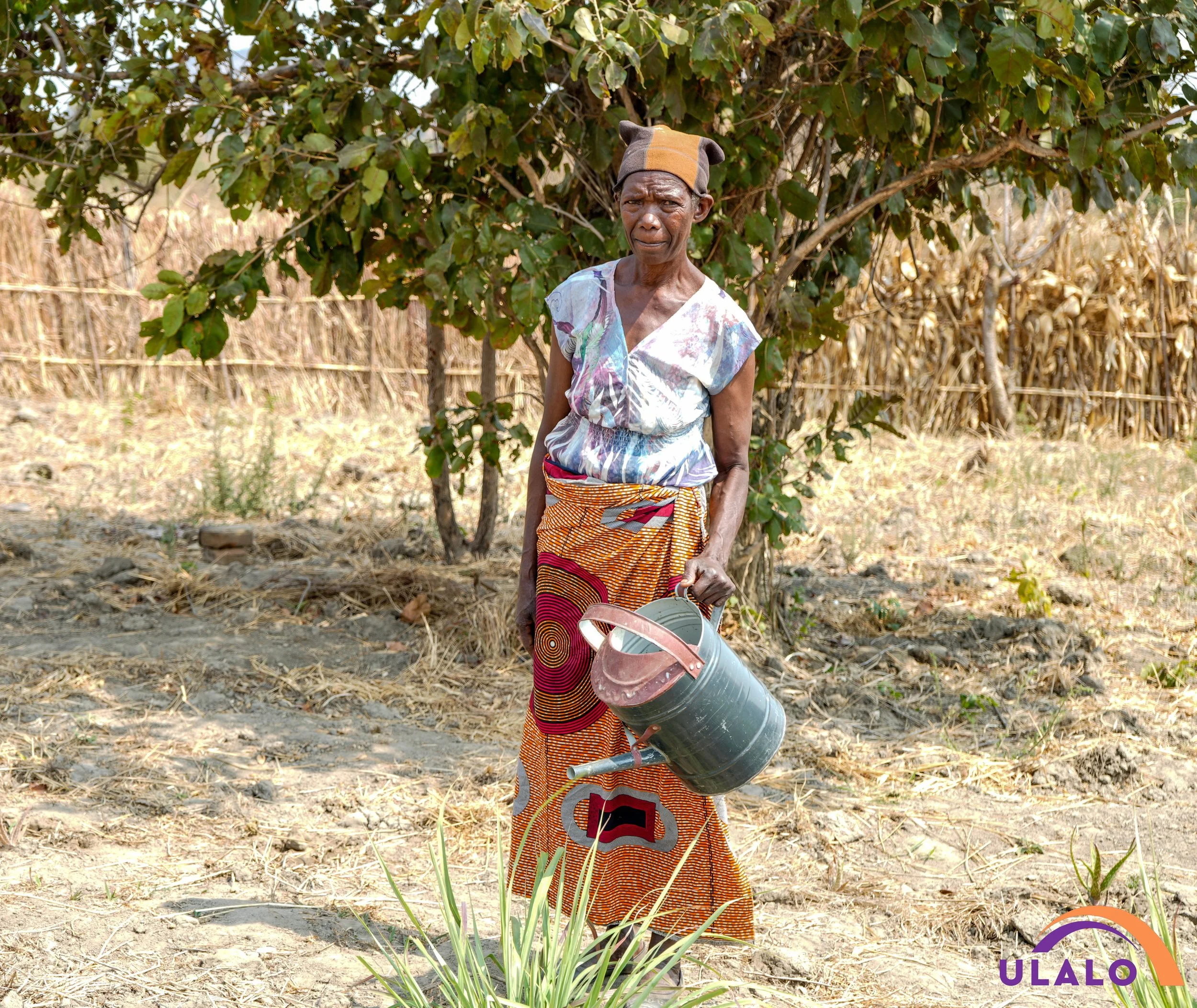
More than a patch of land: Eluby Botha sees their garden as the future of her children's health and security.
To her, the garden is no longer just a patch of land, but an essential resource that will directly safeguard the health, well-being, and financial security of her children.
Grounding Development in Local Hands
By connecting natural resource management with practical enterprise, the CANARASI project continues to demonstrate that rural development is most powerful when driven by community ownership. By equipping groups like Chanyeka and Tiyanjane with adaptive agricultural tools and peer support, the communities of Mzimba North are proving that even in dry soil, self-reliance can grow deep roots.