Bridging the Digital Divide
Taking Knowledge Beyond the Reach of the Internet
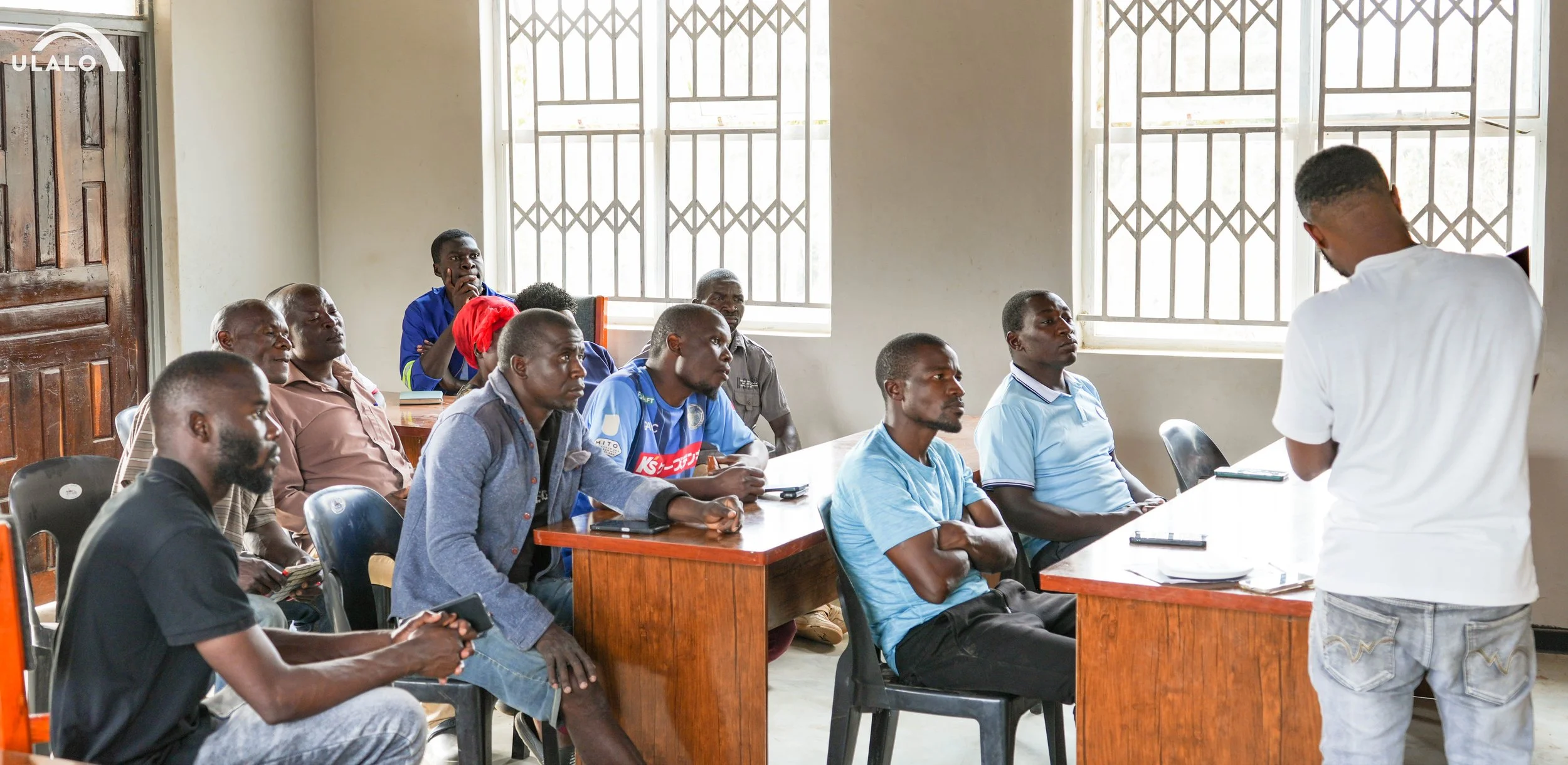
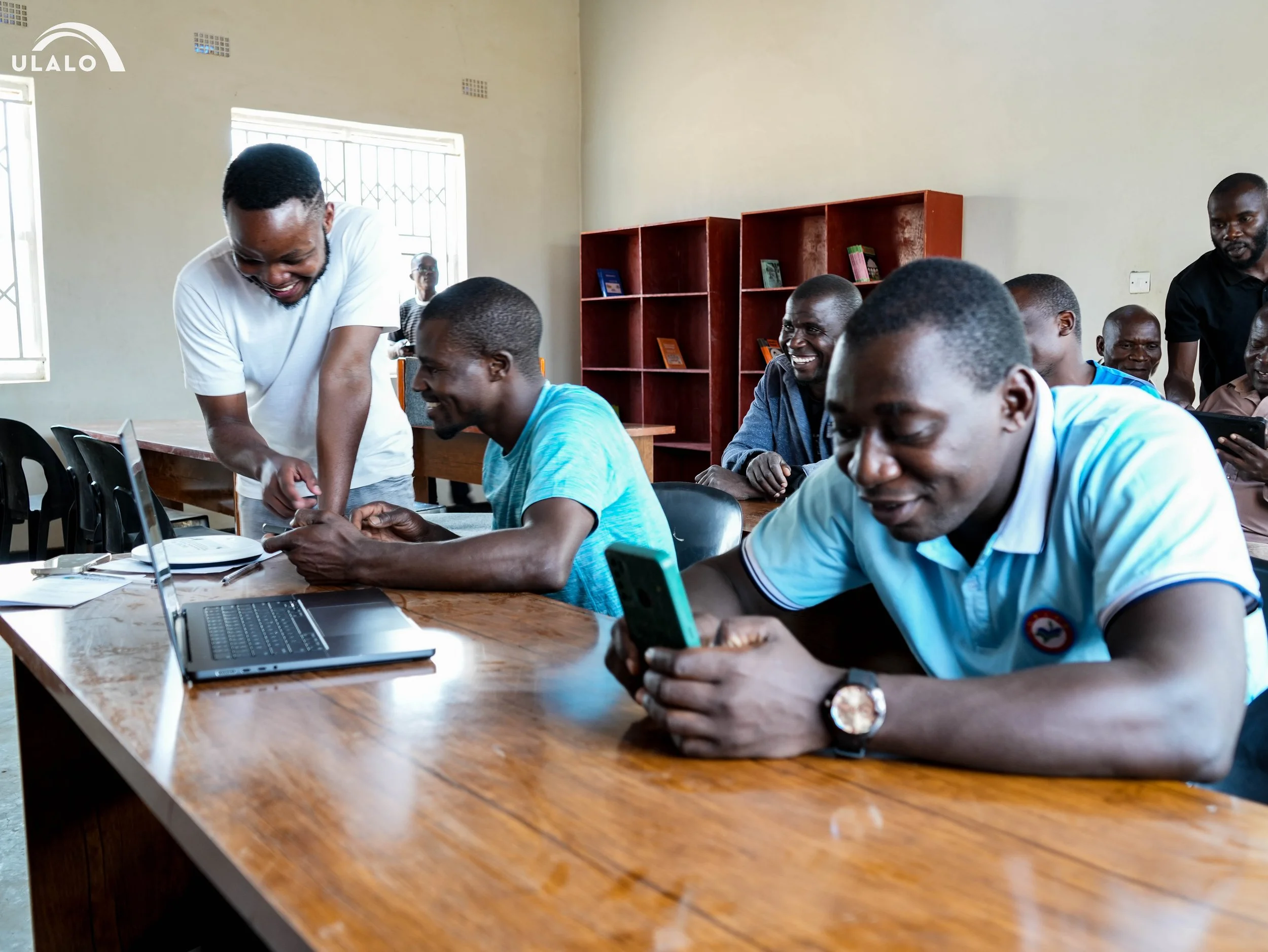
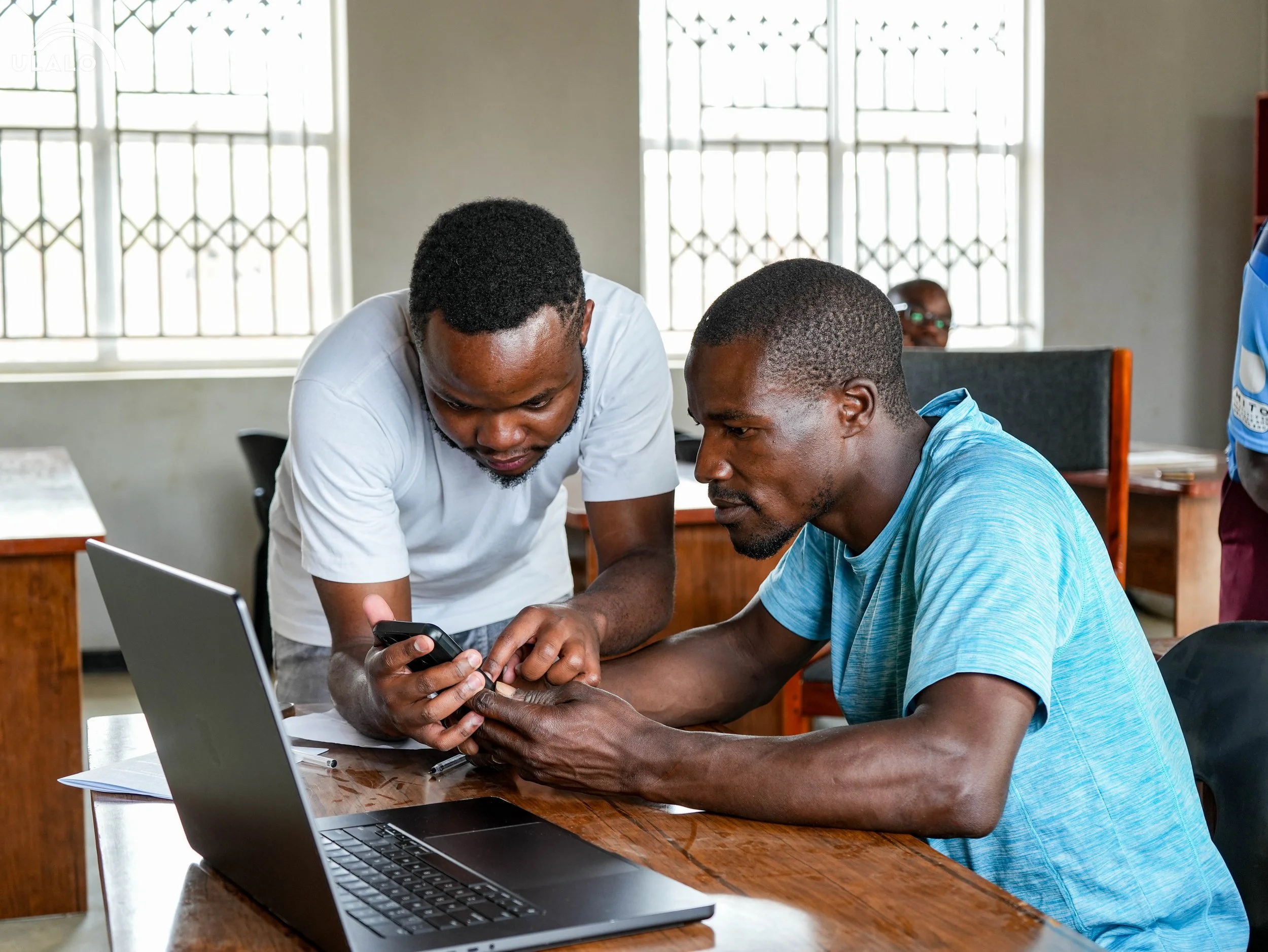
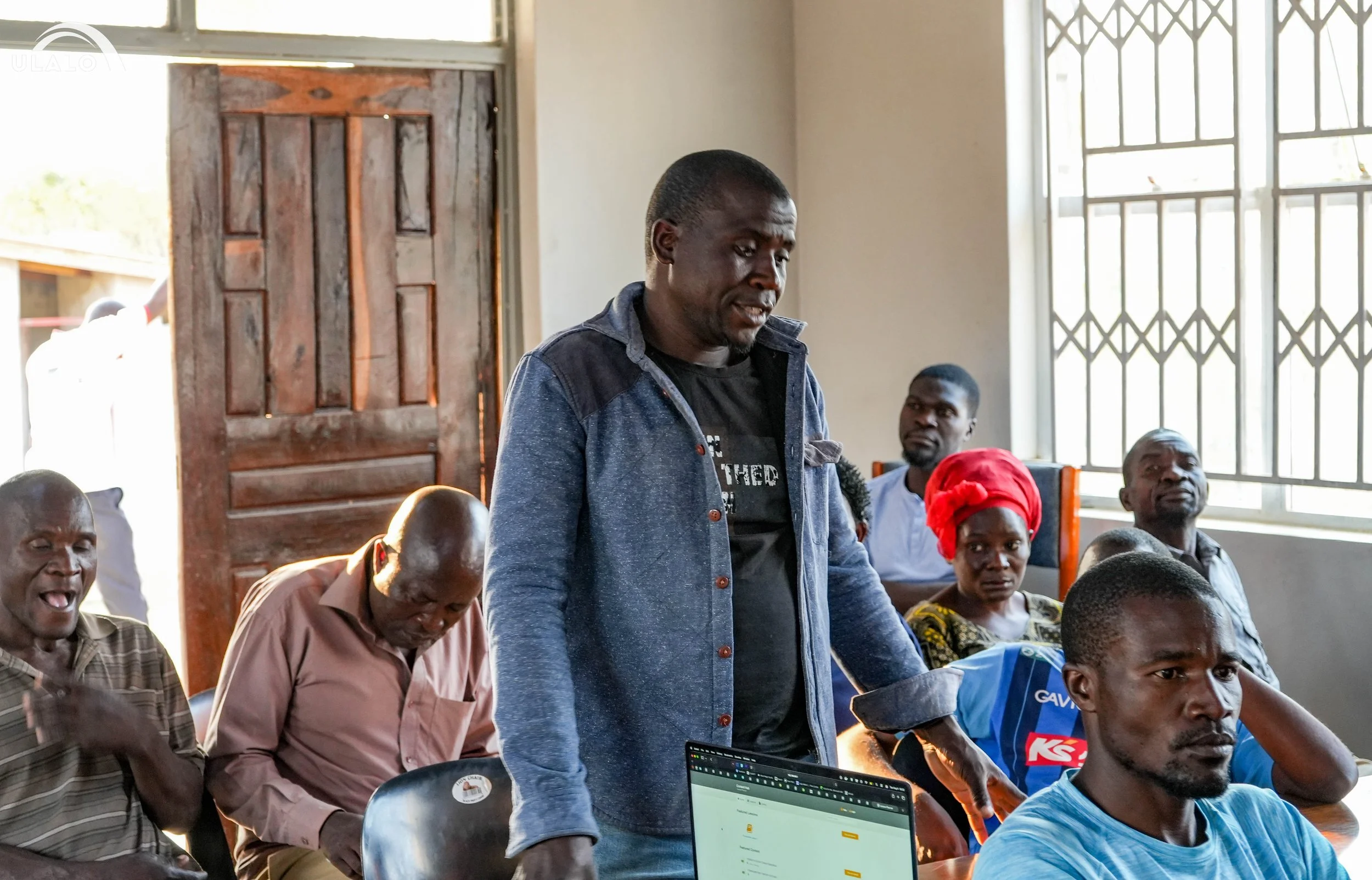
Community members learning how to access and use the RACHEL offline digital library.
For many of us, finding information is as simple as opening a browser and searching online. But what happens when the internet is unreliable, expensive or simply unavailable?
For communities such as Thunduwike and Kazuni in Mzimba North, this remains an everyday reality. Limited connectivity means that learners and their communities do not always have the same access to digital educational resources, practical information and opportunities for learning.
At Ulalo, we believe that where someone lives should not determine how much knowledge they can access or what opportunities they can pursue.
For some time, Ulalo has used RACHEL - Remote Area Community Hotspot for Education and Learning, in secondary schools as part of our efforts to expand access to digital learning resources.
Now, through the Community Activation, Natural Resources Management and Improvement of Social Infrastructure (CANARASI) Project, we are taking that experience beyond the school environment.
We are piloting RACHEL within Community Network Hubs, starting with Thunduwike and Kazuni. The idea is simple: if access to digital learning can make a difference within a school, what more could it do when that knowledge becomes accessible to an entire community?
RACHEL is an offline digital library that makes thousands of educational and practical learning resources available without requiring an internet connection. Once connected to the local hotspot, users can access the content using digital devices without purchasing data.
More Than Introducing Technology
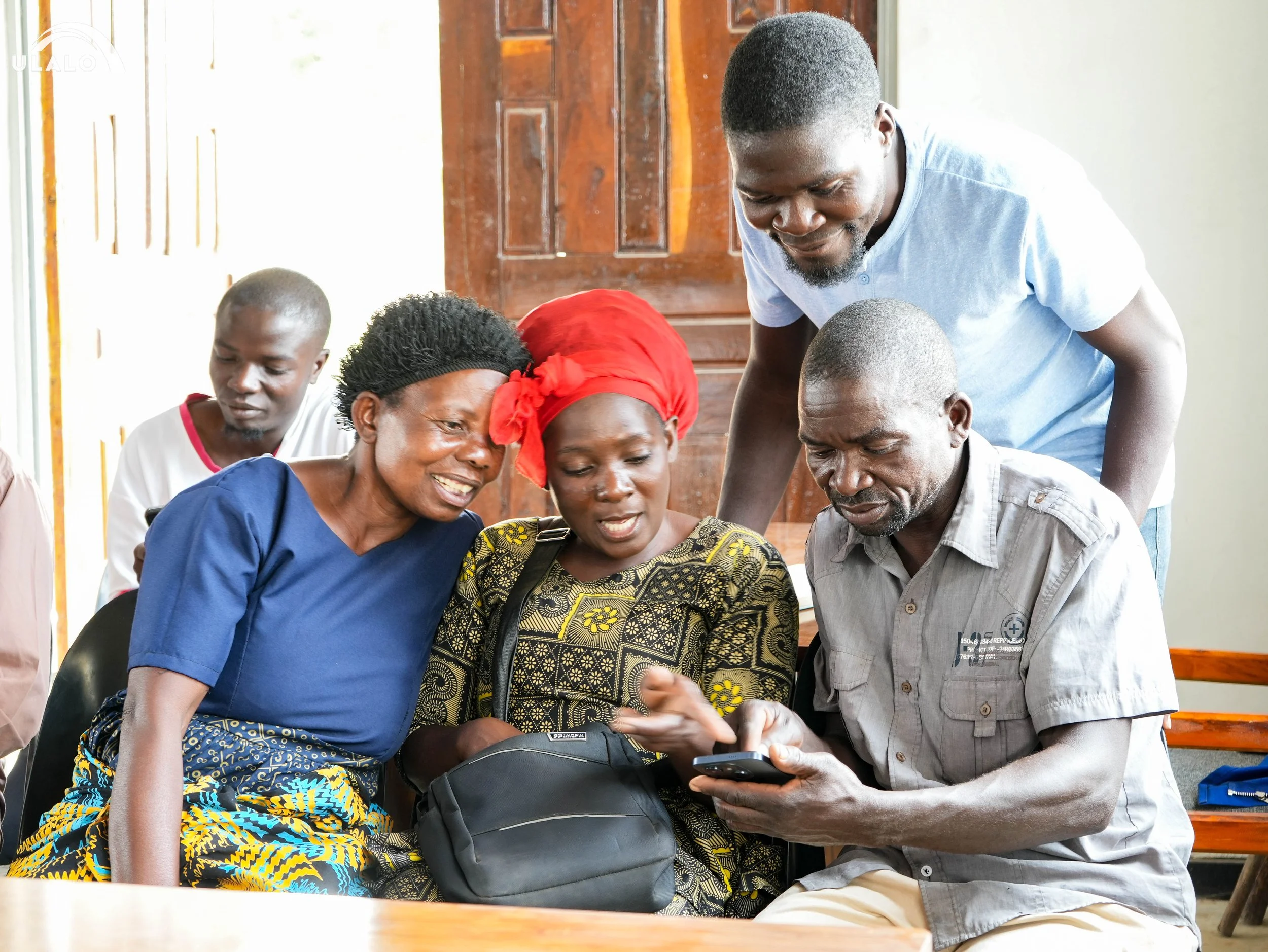
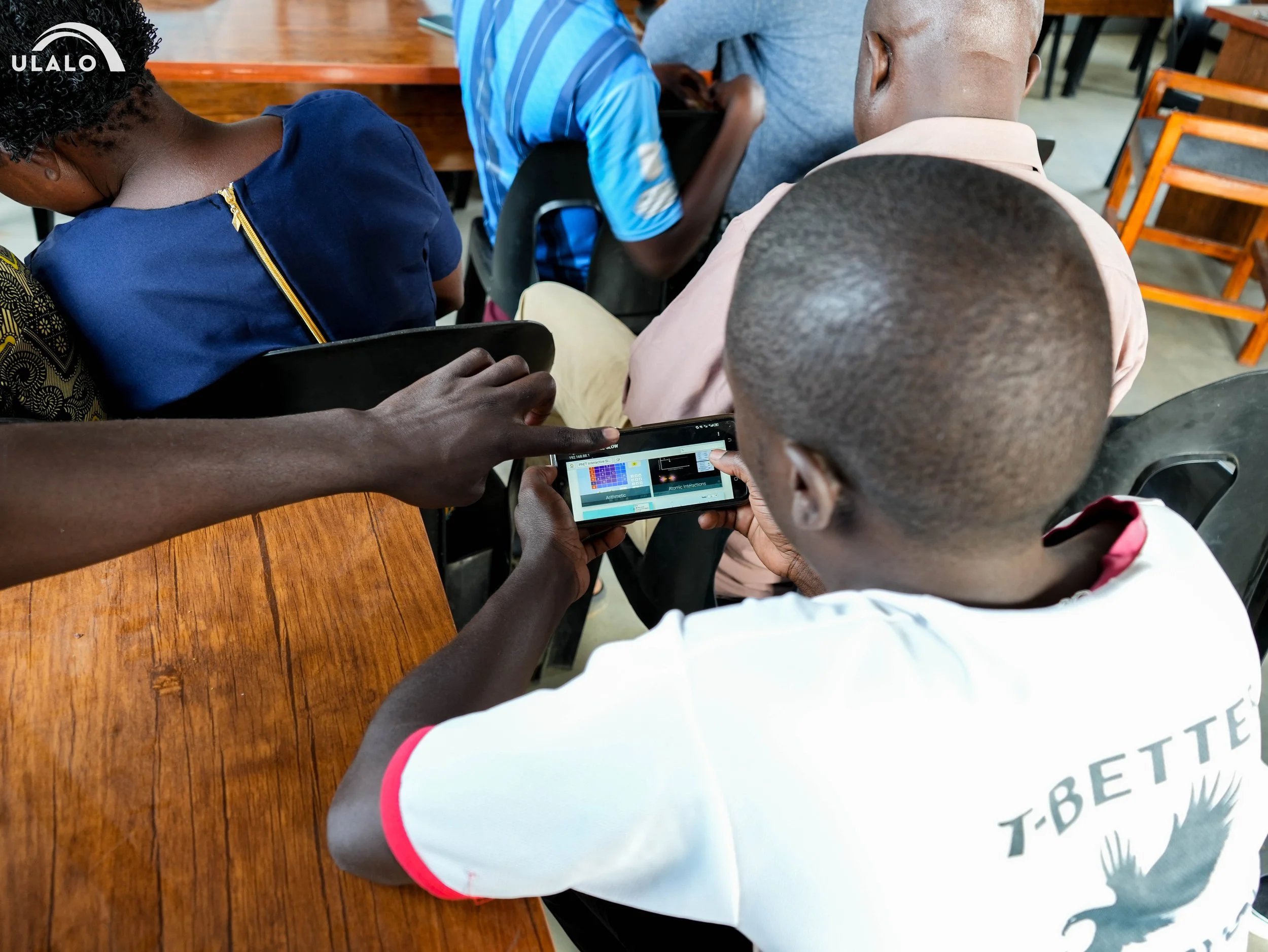
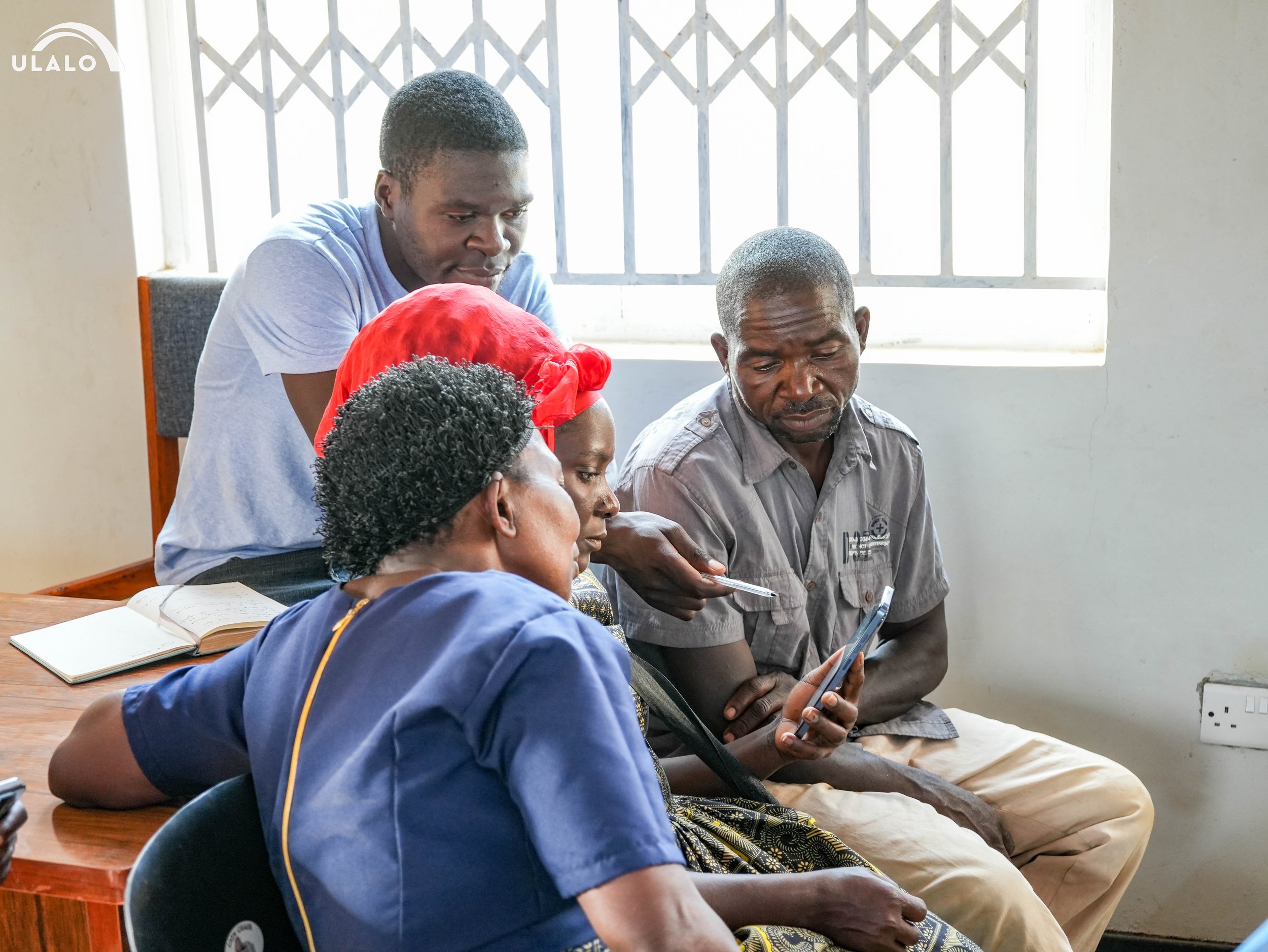
Community members exploring educational and practical resources available through the RACHEL offline digital library
Introducing technology into a community is one thing. Ensuring that people understand it, use it and ultimately take ownership of it is another. That is why our approach started with the community.
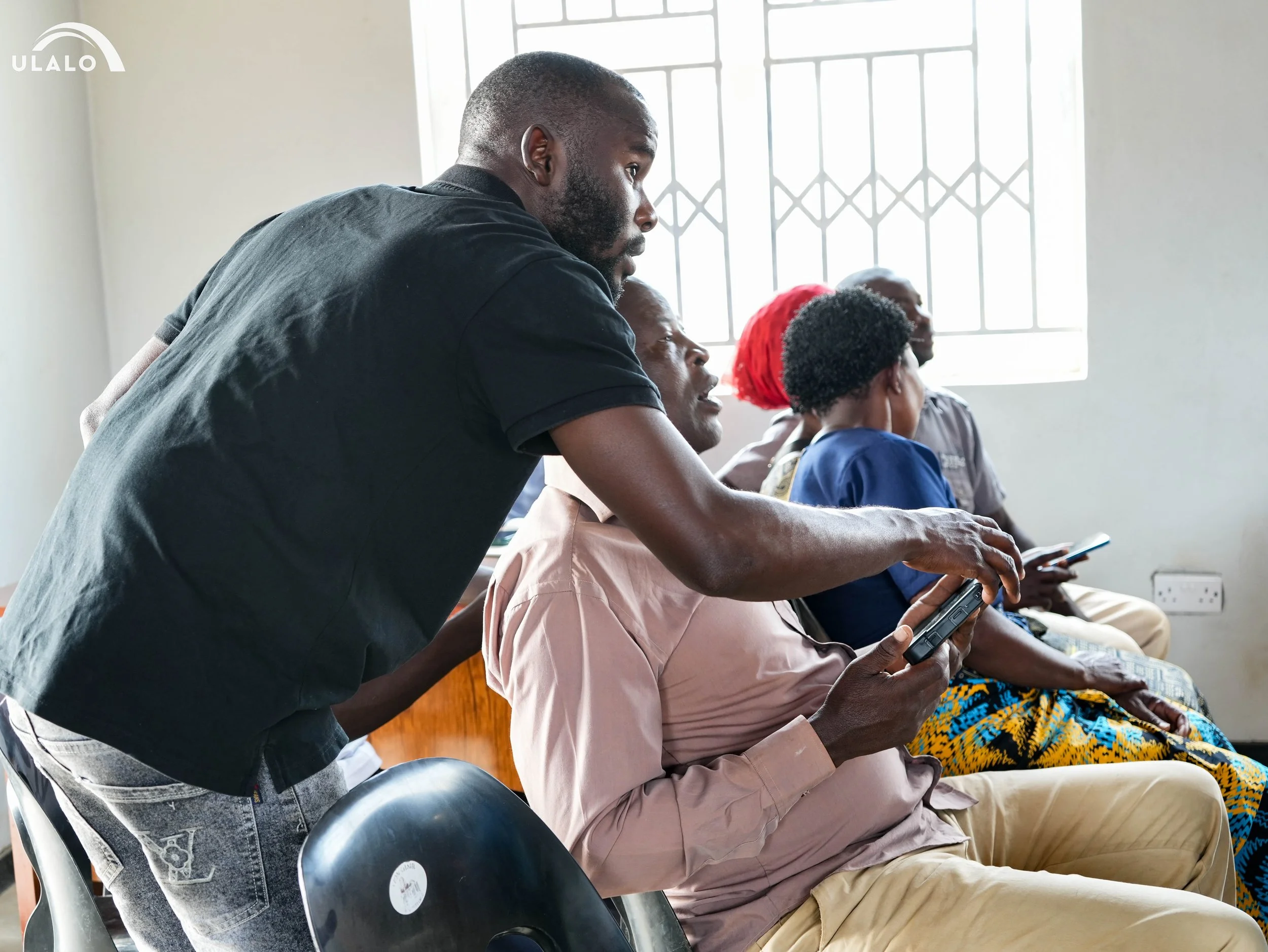
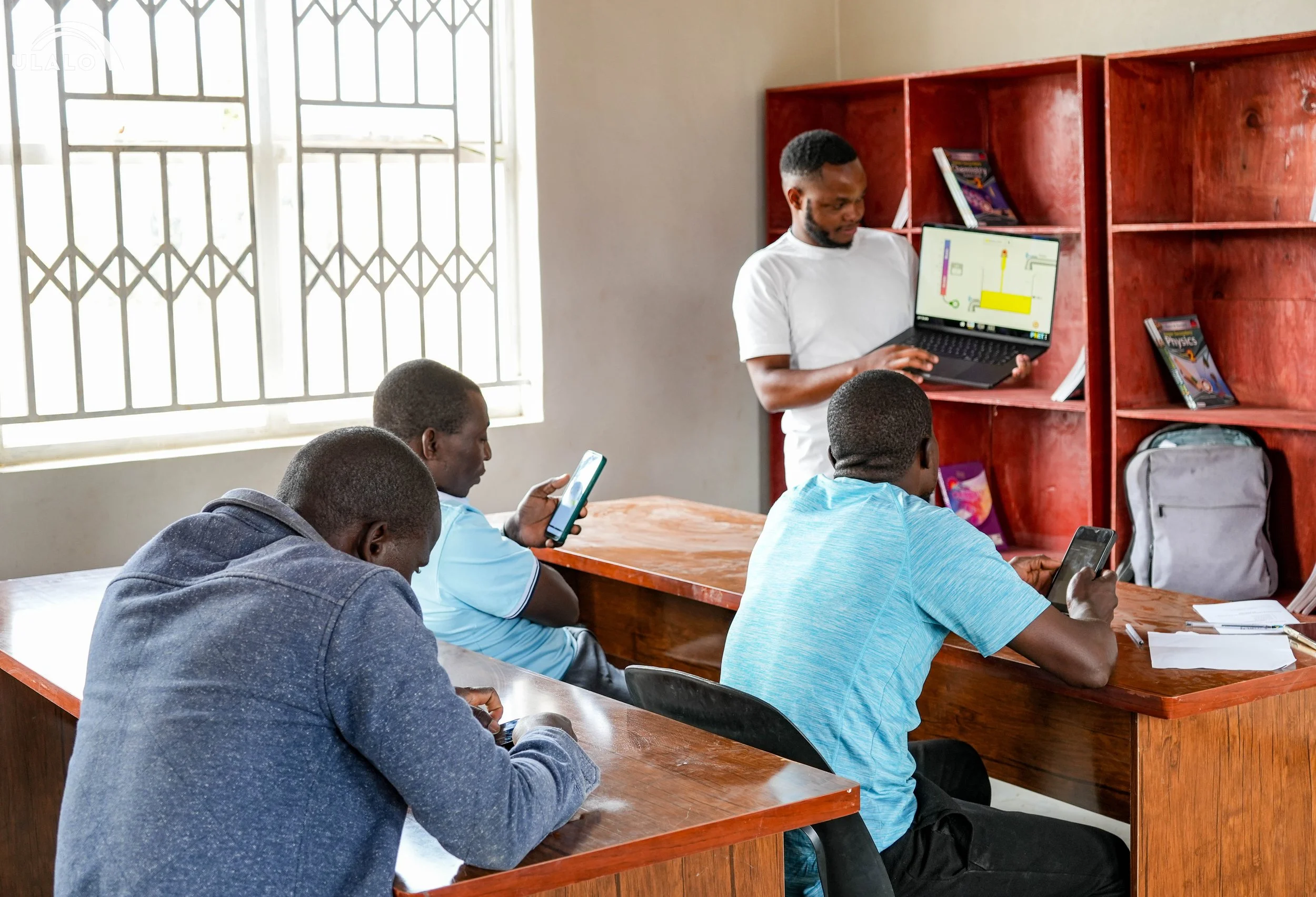
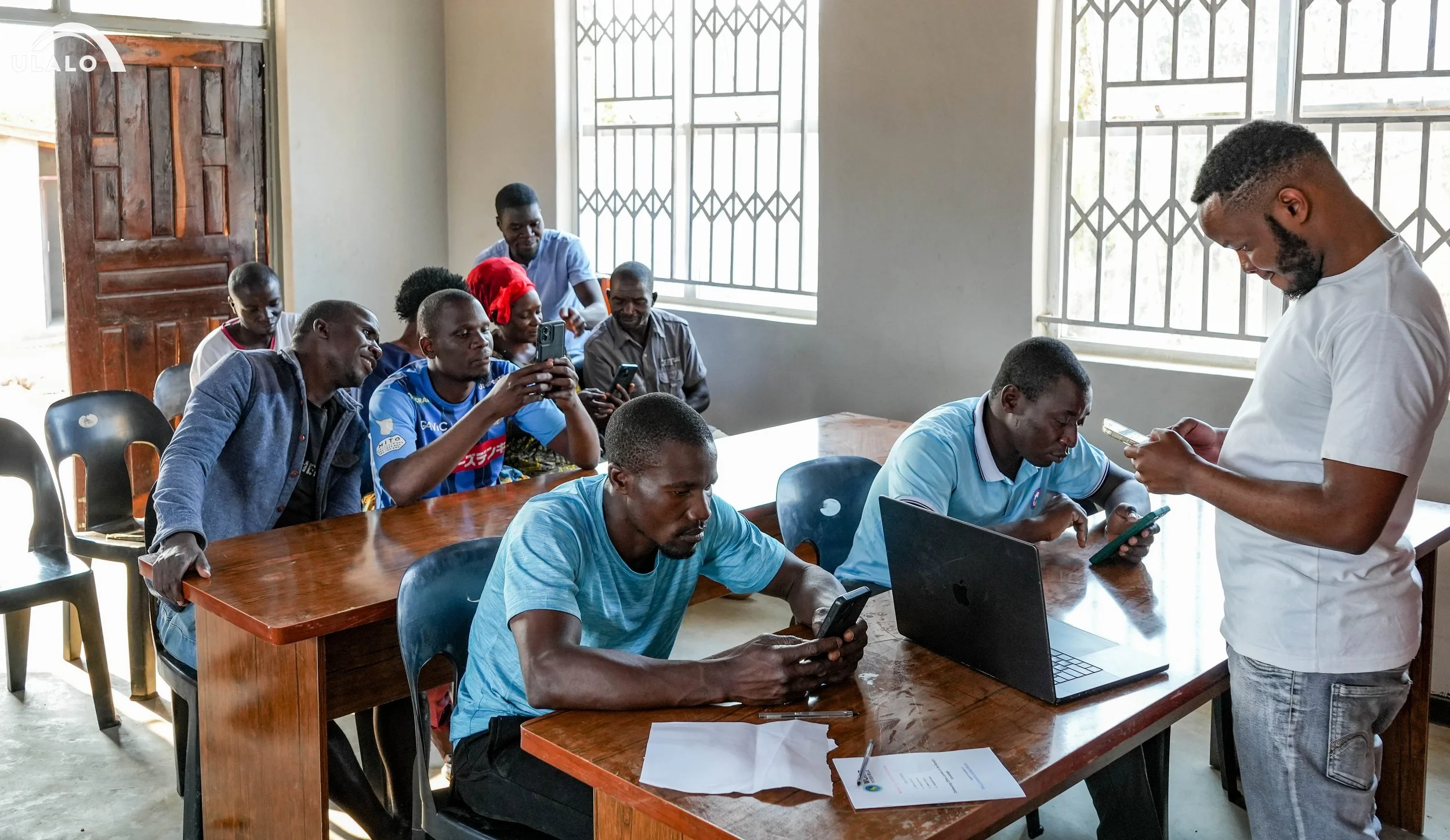
Ulalo facilitated practical training sessions with community members, giving participants an opportunity to interact directly with RACHEL.
Instead of simply being shown what the technology could do, participants connected to the platform themselves, searched for information, explored educational content and navigated practical learning materials.
The sessions demonstrated something important: technology does not always need constant internet connectivity to expand access to knowledge.
More importantly, communities began identifying for themselves how the platform could respond to their own learning and information needs.
One Platform, Learning for the Whole Community
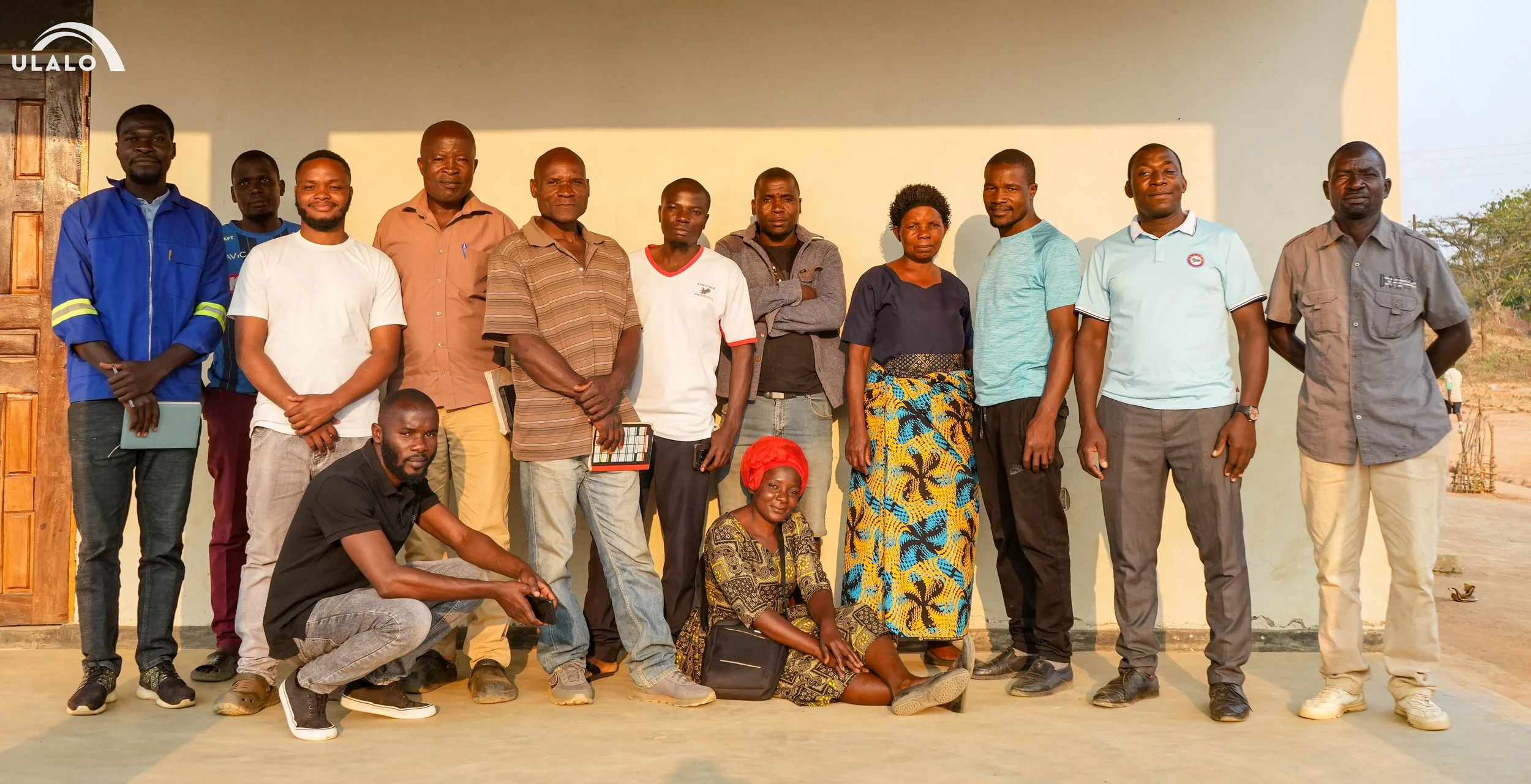
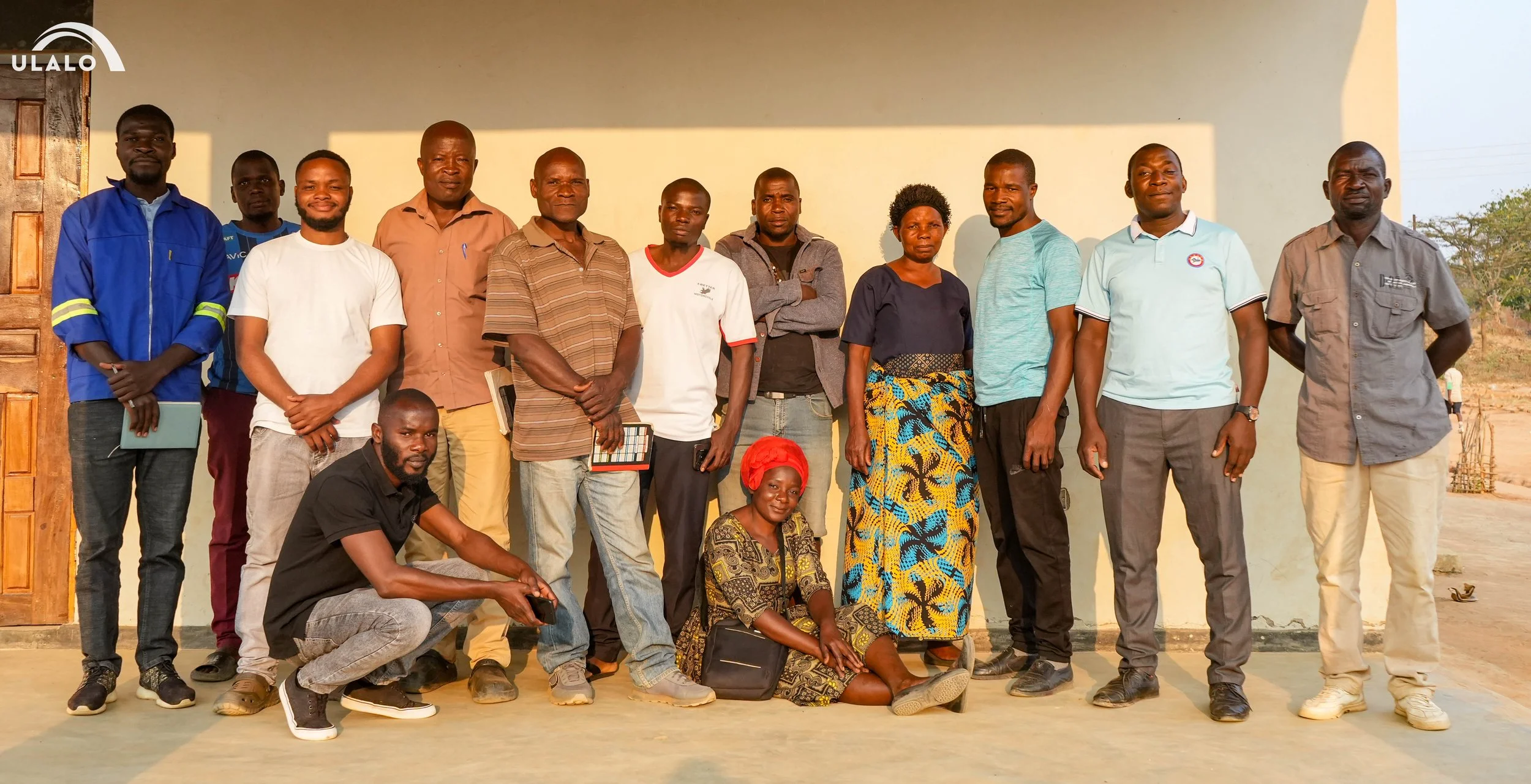
Village Development Committee members participating in the RACHEL orientation and training.
While improving access to learning resources for children is an important part of this initiative, RACHEL within the Community Network Hubs is not intended for students alone.
Primary and secondary school learners can access educational materials that complement classroom learning, allowing them to explore subjects independently and strengthen their understanding beyond the classroom.
But the same platform can also support parents, farmers, young people and aspiring entrepreneurs.
Community members can access practical resources covering areas such as agriculture and natural resource management, health and hygiene, vocational skills, entrepreneurship and household livelihoods.
Resources include practical guides on activities such as soap and candle making, alongside information on farming practices, soil management and other skills that can support household resilience and income generation.
This means a learner can use RACHEL to understand a difficult school subject, while a parent can use the same platform to learn a practical skill or find information that could improve their livelihood. That is the opportunity we see: a community resource for learning at every stage of life.
What Communities Are Saying
As community members explored the platform during the training, they quickly began connecting the technology to challenges they experience in their own communities.
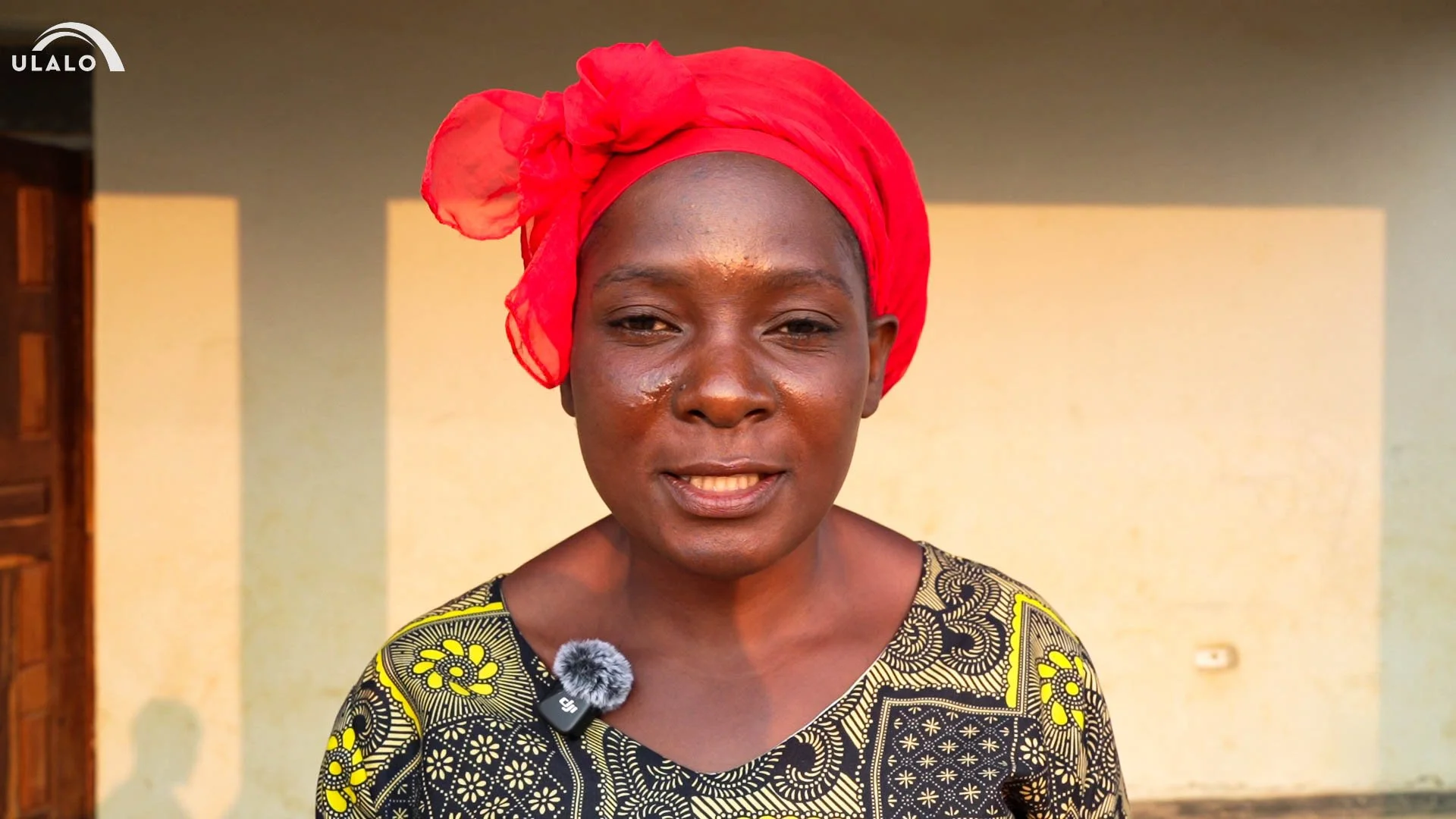
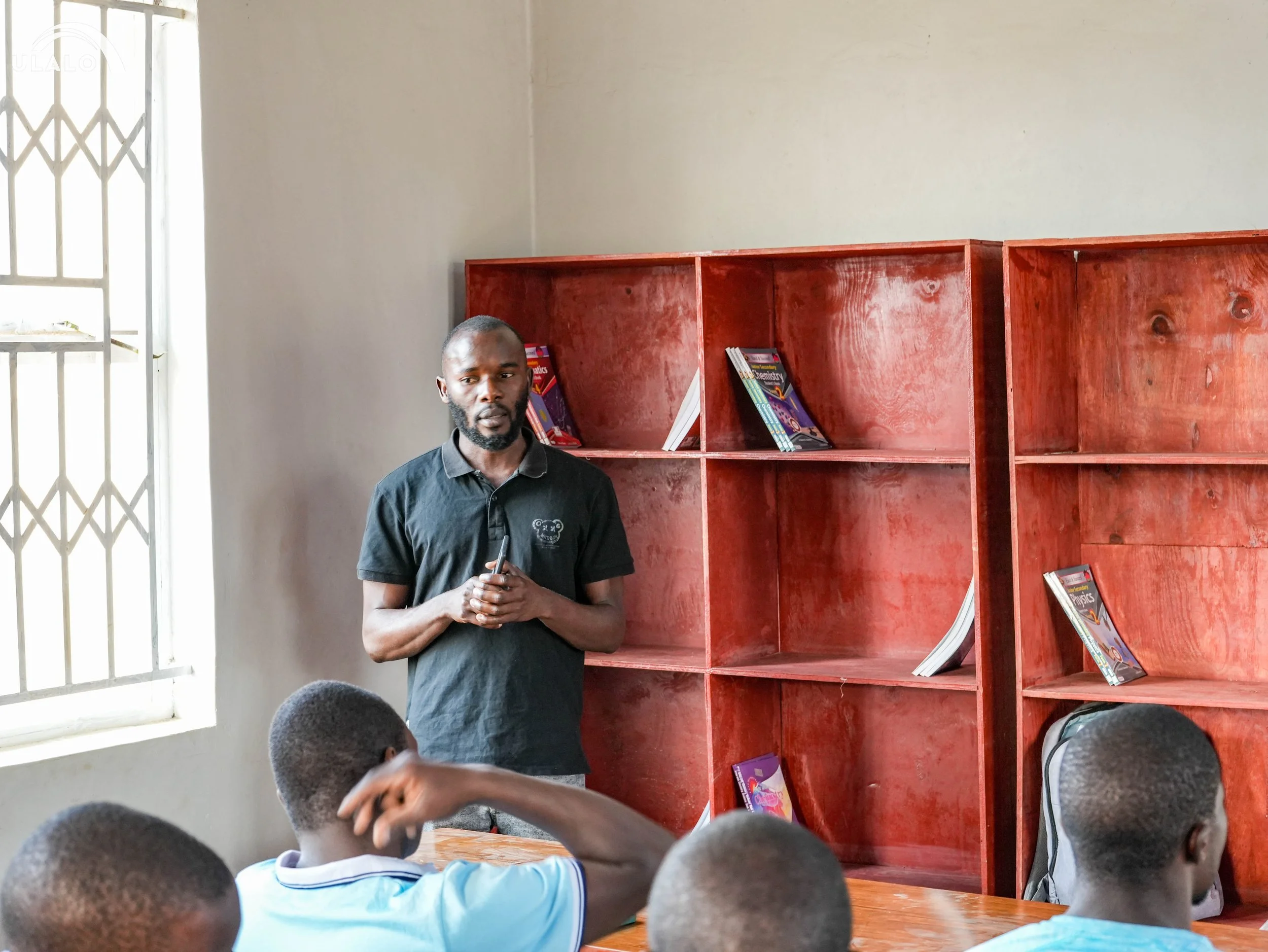
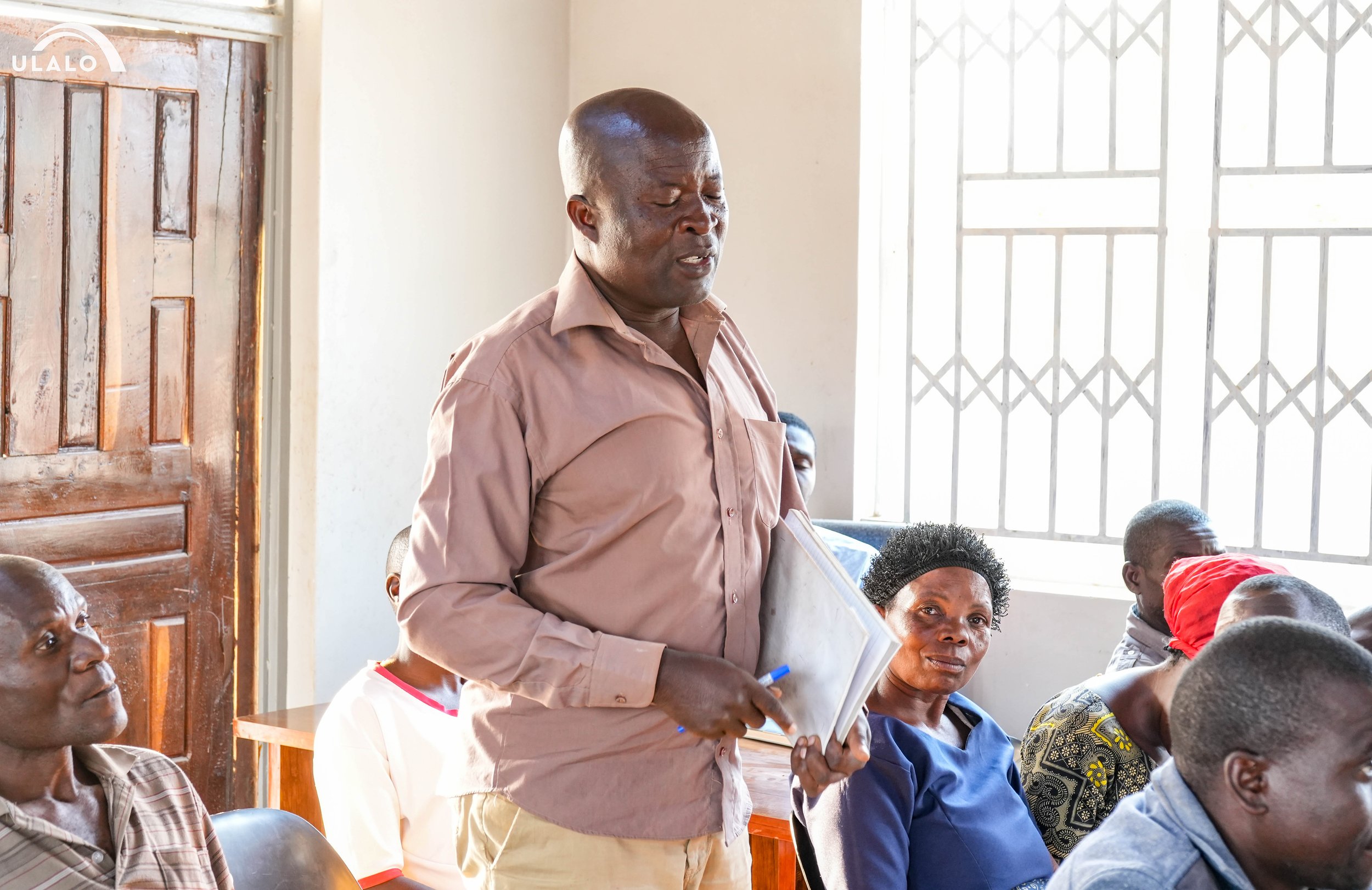
Diana Gondwe, Secretary of the Thunduwike Village Development Committee.
“I am so happy to learn about this new system. This will help improve the quality of education, and the children around our community will benefit greatly. It is going to reduce the education gap that exists between our area and other places.” - Diana Gondwe, Secretary, Thunduwike Village Development Committee Her reflection speaks to a much bigger issue.
The digital divide is not simply about whether people have internet access. It is also about whether people can access the knowledge, information and learning opportunities that increasingly shape education, livelihoods and participation in today's world.
Taking What Works Beyond the School
Ulalo's experience with RACHEL in secondary schools has shown us the potential of offline digital resources in places where connectivity remains a challenge.
The Community Network Hub model allows us to take that experience one step further: from supporting learning within schools to creating spaces where knowledge can be accessed by the wider community.
We are starting with Thunduwike and Kazuni, learning alongside these communities and understanding how people use the platform, what information they find most valuable and how offline digital resources can contribute to education, livelihoods and community development.
The lessons from these first two Community Network Hubs will help inform how we strengthen and potentially expand the approach to other communities.
Building a Bridge to a Better Malawi
For more than a decade, Ulalo has worked alongside communities, schools, traditional leaders, government and development partners to find practical solutions to the barriers that prevent people from reaching their full potential.
The introduction of RACHEL within Community Network Hubs is another step in that journey. Bridging the digital divide does not always begin with bringing the internet everywhere.
Sometimes, it begins with ensuring that knowledge can reach people wherever they are. And when communities have access to knowledge, practical tools and opportunities to learn, geography does not have to determine possibility.
This work is being implemented through the Community Activation, Natural Resources Management and Improvement of Social Infrastructure (CANARASI) Project, implemented by Ulalo with support from Chancen durch Bildung (CdB) and Germany's Federal Ministry for Economic Cooperation and Development (BMZ).
Together with communities and our partners, we continue building a bridge to a better Malawi.