
When Chichewa First Came from the Classroom
How BEFIT Sparked Literacy Hope at Mthira JP School
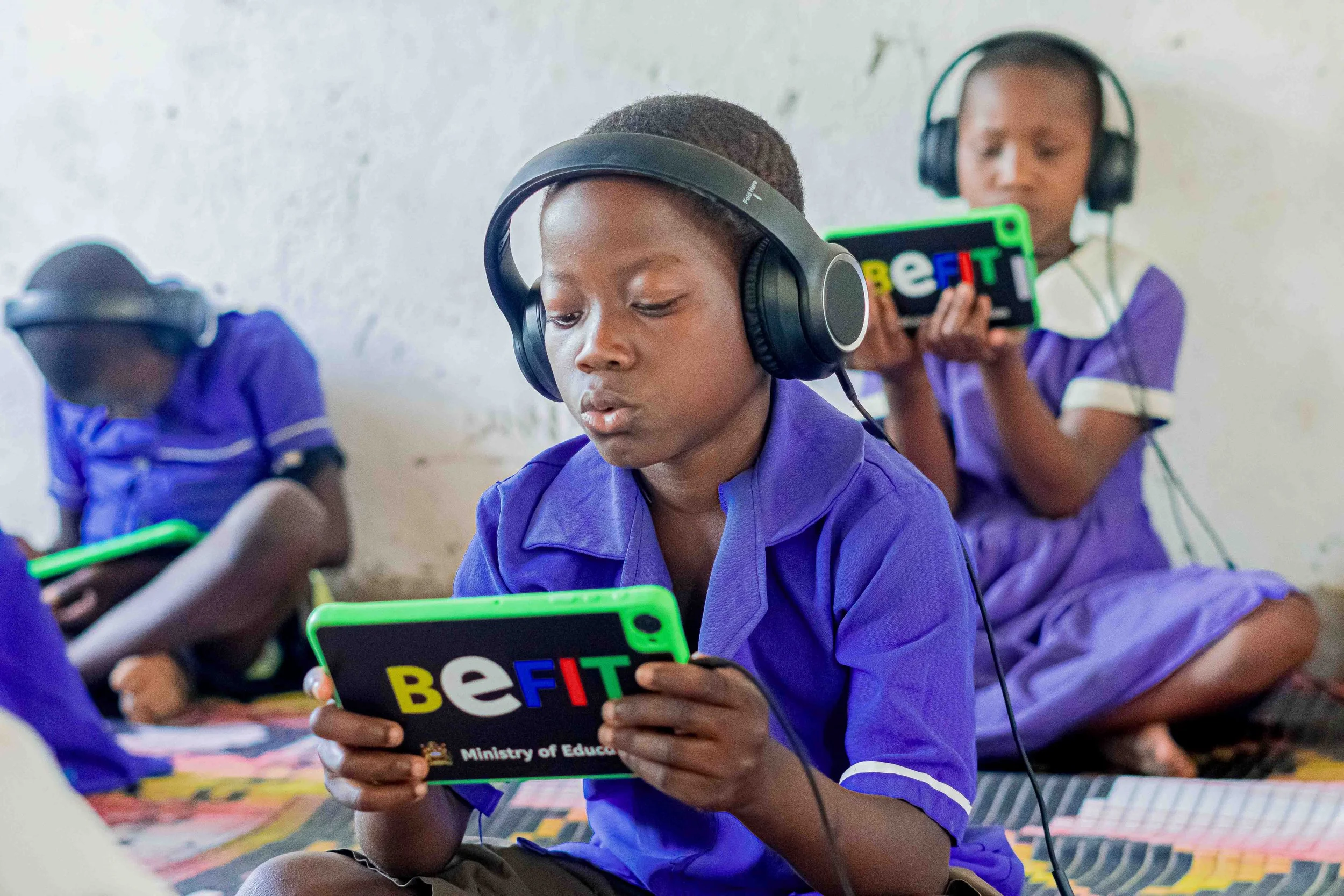
Transforming classrooms, one digital lesson at a time
For many children at Mthira Junior Primary (JP) School in Mzimba South, the first time they truly encountered Chichewa was not at home; it was in the classroom. The words felt unfamiliar and foreign. The sounds were difficult. What should have been a language of learning often felt like a barrier.
For Standard 3 learners, Chichewa a mandatory subject in the Malawi curriculum was a daily struggle than a language of expression.
At home, learners spoke their native Tumbuka language but in school, they were expected to read, write, and communicate in Chichewa. This gap between home language and classroom language created frustration for both learners and teachers, slowing literacy progress at a critical stage of development.
“Before, teaching Chichewa was very challenging,” recalls Tereza Sibande, Standard 3 teacher at Mthira JP School.
Sibande explains that learners struggled to understand what was being taught because the language felt unfamiliar. Participation was low. Comprehension was limited.
For many learners, Chichewa lessons felt intimidating, filled with unfamiliar vocabulary and uncertainty.
But that story has begun to change.
A New Chapter Through BEFIT
With the introduction of BEFIT sessions, a new chapter of hope has opened at Mthira JP School.
Through structured digital lessons, engaging visuals, and carefully sequenced content delivered on tablets, Chichewa has started to make sense. Words are no longer just abstract sounds; they are linked to images, meaning, and context that learners can relate to.
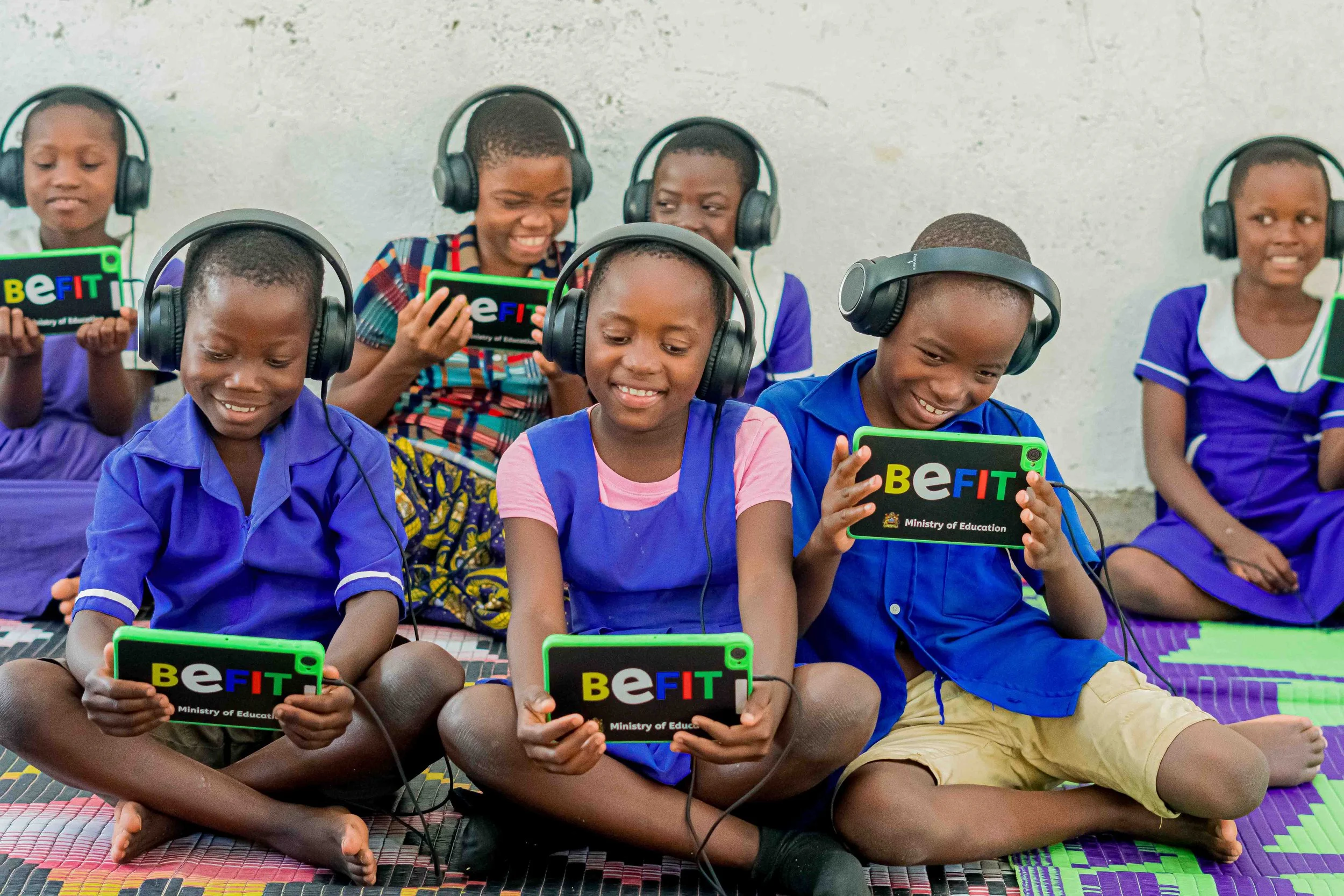
BEFIT digital lessons in action
“BEFIT lessons have made a big difference; the visual and structured approach helps learners understand key vocabulary and concepts much faster. Teaching has become easier, and learners are more engaged and confident during lessons.” says Sibande.
The transformation is visible not only in lesson delivery, but in learner participation.
From Intimidation to Inspiration
For Simon Shaba, a Standard 3 learner at Mthira JP School, the change feels personal and powerful. Once intimidated by Chichewa, he now looks forward to the subject.
“I like the BEFIT lessons because of the pictures.
“They help me learn new Chichewa words quickly. I can now join words together and make sentences.” Shares Simon.
Simon’s experience reflects a broader shift in the classroom. Learners are raising their hands more often. They are reading with greater confidence. They are constructing sentences and engaging with content in ways that were previously difficult.
What was once a barrier has become a bridge.
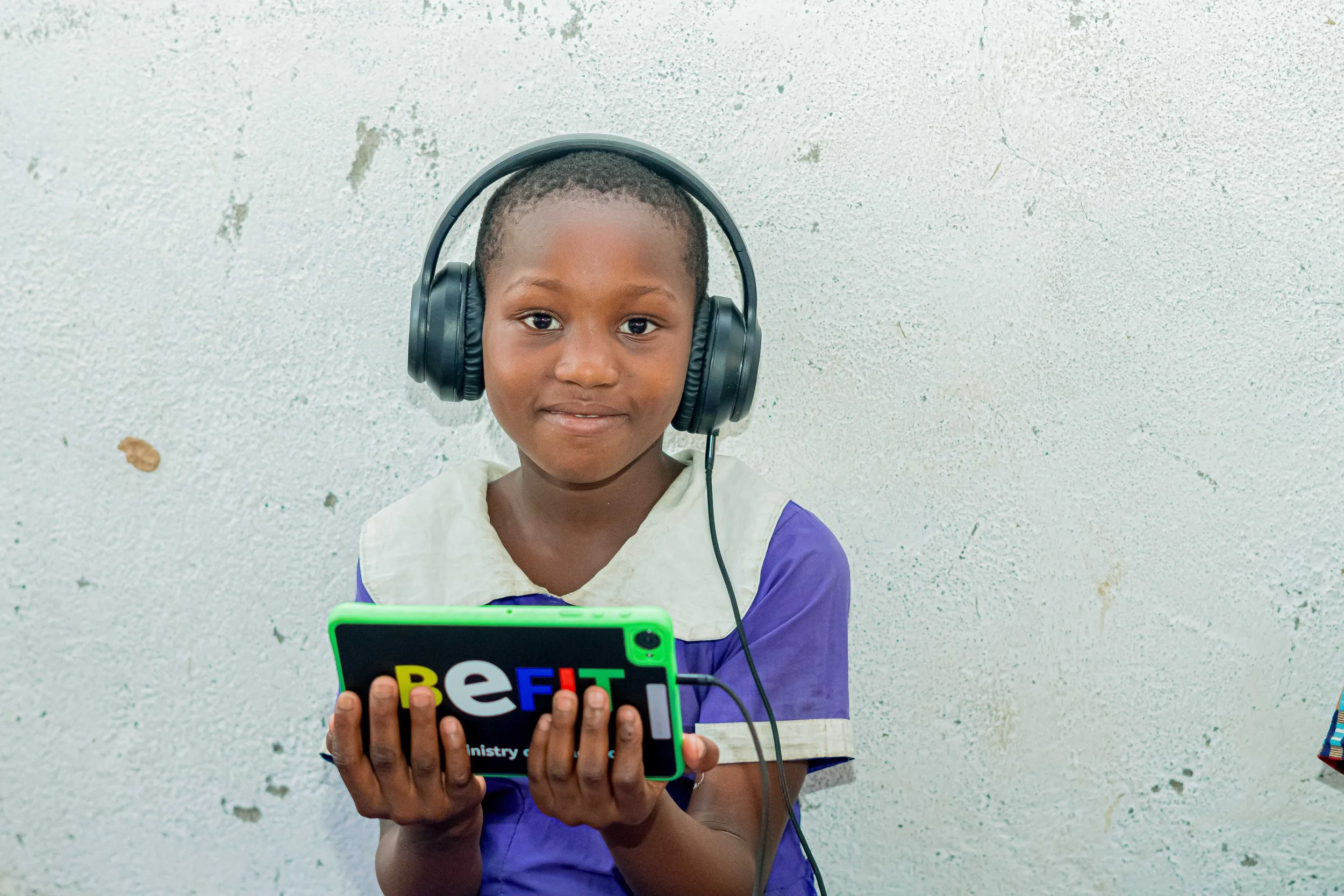
BEFIT sessions nurturing confidence
Recognition at District Level
The impact of the BEFIT programme has not gone unnoticed beyond the school.
During a District Implementation Team (DIT) monitoring visit, the Principal Primary Education Advisor (PPEA) for Mzimba South, Charles Phiri, expressed satisfaction with the progress observed at Mthira JP School.
“The improvements we are seeing reflect positively not only at the school level, but also at zonal and district levels.
“These results show that we are moving in the right direction toward achieving the BEFIT goal of strengthening foundational literacy skills by 2030.” Phiri noted.
Such feedback reinforces the importance of coordinated collaboration between schools, zonal and district leadership, and implementing partners.
Transforming Fear into Confidence
Implemented with support from Ulalo as an implementing support partner, and in close collaboration with school leadership and the Ministry of Education, the BEFIT programme at Mthira JP School demonstrates the power of targeted digital innovation.
By addressing language barriers with thoughtful, learner-centered tools, BEFIT is transforming fear into confidence and confusion into comprehension.
At Mthira JP School, the nightmare of struggling with Chichewa is gradually fading. In its place, literacy hope is being ignited, one digital lesson, one new word, and one confident learner at a time.